Every year on the night of March 19th, Valencia sets itself on fire. Hundreds of towering, satirical monuments (Fallas) are burned to the ground in a spectacular tradition known as La Cremà. But every year, exactly one figure—a Ninot Indultado (pardoned puppet)—is saved from the flames by popular vote.
Since 1934, these surviving figures have been brought to the Fallas Museum (Museo Fallero) in the Monteolivete district.
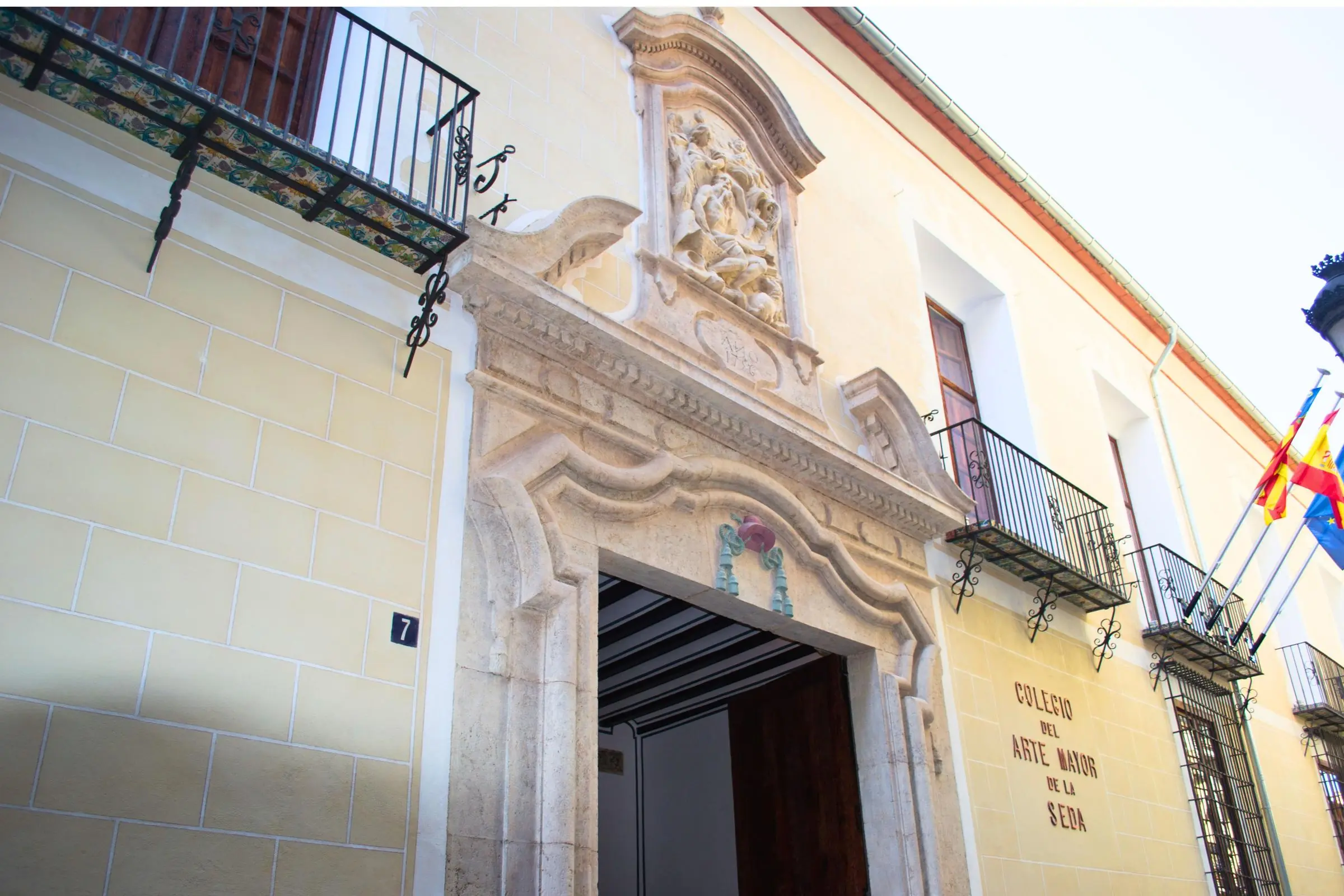
Housed in a former leper colony and military prison, this museum is the only place where you can trace the uninterrupted, physical history of Valencia’s most famous festival. It’s a bizarre, colorful, and deeply political walk through Spanish history, told entirely through the medium of giant caricatures.
Here is how to navigate the museum, understand what you are looking at, and make the most of your visit.
How to Visit Based on Your Travel Style
The museum is dense with visual information. Depending on who you are traveling with and how much time you have, you should approach the galleries differently.
Quick Visit Strategies
The 45-Minute Highlight Run
If you are squeezing this in before walking over to the City of Arts and Sciences, skip the upstairs portraits. Focus entirely on the ground floor chronologically, starting from the 1930s wax figures and ending at the modern polystyrene giants.
Visiting with Kids
Head straight for the Ninots Infantils (Children’s Ninots) section. Since 1963, a separate children’s figure has been pardoned each year. These are smaller, highly detailed, and feature fairy-tale themes, animals, and whimsical characters that kids love, free from the heavy political satire of the adult figures.
The Free Entry Hack
Standard entry is only €2, making it one of the cheapest attractions in the city. However, entry is completely free on Sundays and public holidays. Alternatively, if you hold a Valencia Tourist Card, entry to this and all other municipal museums is included.
The 5 Historic Vectors of the Fallas Museum
To truly appreciate the Museo Fallero, you need to look past the bright paint and exaggerated faces. The museum is organized chronologically, allowing you to track five distinct cultural shifts in Valencia over the last century.
1. The Evolution of Craftsmanship (Wax to Cork)
As you walk from the 1930s rooms into the modern era, pay close attention to the materials. The construction of a ninot dictates how it looks, how much it weighs, and how it burns.
- 1930s – Wax (Cera): The earliest saved figures are made of wax over a wooden frame, dressed in real fabric clothing. They look eerily lifelike, almost like Madame Tussauds figures. Because wax melts easily, these figures have a slightly drooping, heavy quality.
- 1950s – Papier-Mâché (Cartón Piedra): Post-war artists shifted to molded cardboard and papier-mâché. This allowed for much larger, more exaggerated, and cartoonish expressions. The figures became lighter and cheaper to produce, leading to the golden age of Fallas caricature.
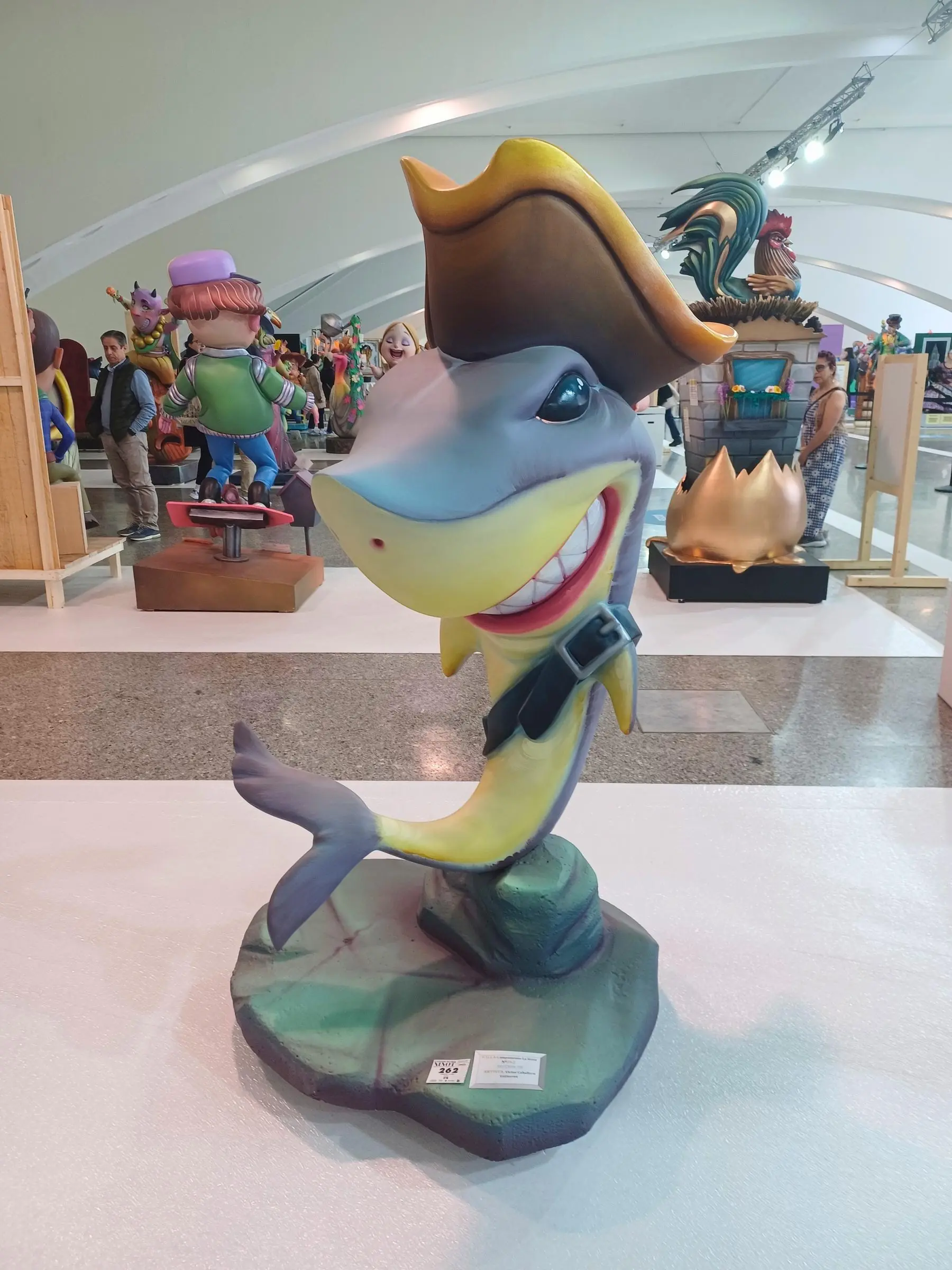
- 1990s to Present – Expanded Polystyrene (Corcho Blanco): Modern ninots are carved from massive blocks of high-density foam (cork) and coated in a hard shell before painting. This allows for gravity-defying poses and massive scale, but traditionalists often lament the toxic black smoke it produces when burned compared to the clean white smoke of burning wood and paper.
2. Satire and Political Caricature
Fallas is, at its heart, a massive street protest wrapped in a party. The monuments exist to mock politicians, celebrities, and societal flaws.
Walking through the museum is a lesson in Spanish political history. During Francisco Franco’s dictatorship (1939–1975), strict censorship meant artists had to hide their critiques in metaphors. You will see many figures from this era depicting “lazy workers,” “nagging wives,” or generic folklore characters—safe topics that wouldn’t get the artists arrested.
Once democracy returned in the late 1970s, the gloves came off. The figures from the 1980s onward are aggressively satirical, featuring grotesque caricatures of local mayors, corrupt bankers, and international figures.
Local Tip: Look for the 1940s figures. Notice how many of them are just idealized depictions of Valencian grandfathers or tradesmen. This wasn’t because the artists lacked imagination; it was a direct result of government censors threatening to ban the festival if it remained too political.
3. The Official Festival Poster Archives
Lining the walls between the statue galleries is the complete collection of official Las Fallas promotional posters, dating back to 1929.
This is a masterclass in 20th-century graphic design. You can watch the artistic trends shift from 1930s Art Deco, to the stark, propagandistic styles of the 1940s, into the psychedelic colors of the 1970s, and finally to the minimalist, digital designs of the 2000s.
4. Traditional Silk Fallera Costumes
Upstairs, the museum houses a gallery dedicated to the Falleras Mayores—the official queens of the festival. Each year, one adult and one child are chosen to represent the city.
Their portraits line the walls, but the real draw is the display of traditional Valencian silk dresses. These garments are still woven by hand using 18th-century looms. A single dress can cost upwards of €10,000. Notice the intricate floral patterns woven with real gold and silver thread.
Keep Planning: If the textile history interests you, pair this visit with a trip to the Silk Museum in the city center to see the historic looms in action.
5. The Ninot Indultado Infantil
Since 1963, the public has also voted to save one children’s figure (Ninot Infantil) from the flames. These are displayed in their own dedicated wing.
Because they are designed for children, these figures lack the biting political satire of the main monuments. Instead, they focus on Valencian folklore, environmental messages, and pure imagination. The craftsmanship here is often even more detailed than the adult figures, as the artists know viewers will be looking at them from just a few feet away.
Practical Logistics: Getting There & Tickets
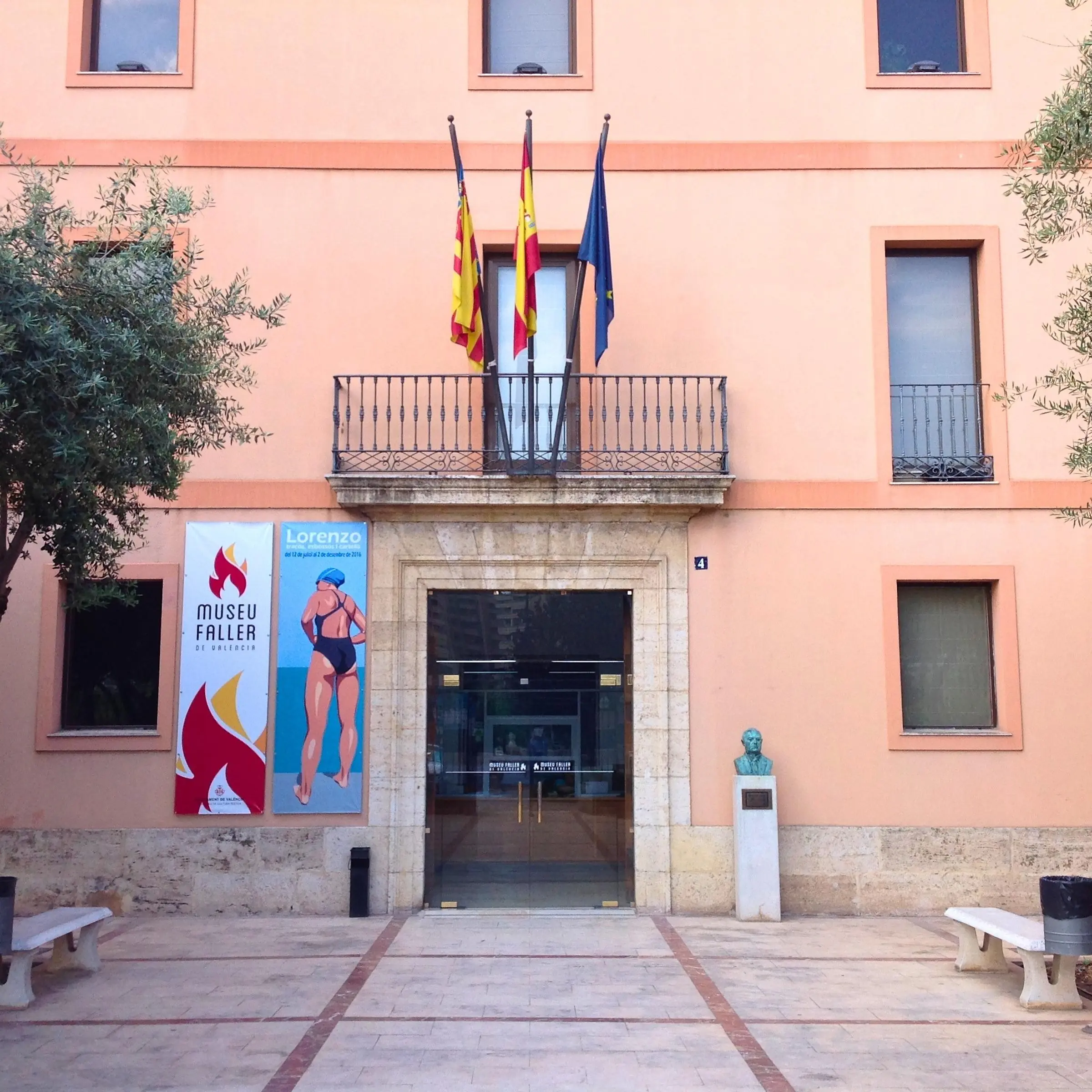
The Fallas Museum is located in the Monteolivete neighborhood, slightly off the standard tourist track but very close to major landmarks.
- Address: Plaza Monteolivete, 4, 46006 Valencia.
- Walking: It is a pleasant 15-minute walk from the trendy Ruzafa neighborhood or a 10-minute walk from the Hemisfèric in the City of Arts and Sciences.
- Bus: EMT Bus lines 13, 14, 15, 19, 24, 25, and 95 all stop within a few blocks of the museum.
While the museum has English placards, the deep political context of the statues is often lost without a local explaining the jokes. If you want to truly understand the festival, book a dedicated Fallas walking tour that includes museum entry.
When to Visit
The museum is generally quiet year-round, making it a great escape from the midday heat. However, do not visit in the first two weeks of March if you want a quiet experience. As the city gears up for the actual Las Fallas festival, the museum becomes packed with school groups and locals getting into the festive spirit.
Where to Stay Nearby
The Monteolivete district is a fantastic, quiet residential area that borders the massive Turia Gardens. Staying here puts you within walking distance of both the Fallas Museum and the City of Arts and Sciences, while keeping accommodation prices lower than the historic center.
If you prefer more nightlife and restaurant options, look for hotels in the adjacent Ruzafa neighborhood, which is only a 15-minute walk away.
Frequently Asked Questions
Is the Fallas Museum open during the actual Las Fallas festival in March?
Yes, the museum remains open during the festival (March 15-19), though hours may be slightly altered on the final day. It is highly recommended to visit the museum before walking the streets to see the current year’s monuments, as it gives you the context needed to understand the street art.
How long does it take to walk to the museum from the City of Arts and Sciences?
It is very close. If you are standing at the Palau de les Arts (the opera house) or the Hemisfèric, it is a flat, easy 10 to 12-minute walk to the museum entrance.
Are the descriptions inside the museum translated into English?
Yes, the museum was updated recently and now features informational placards in Spanish, Valencian, and English. However, the specific political jokes on individual statues are not always translated, which is why a guided walking tour can be highly beneficial.
Is the museum accessible for wheelchairs and strollers?
Yes. The museum is equipped with ramps and an elevator to access the second floor (where the posters and Fallera costumes are kept). The aisles between the statues are wide enough to accommodate wheelchairs.
Can I buy tickets online in advance?
Because it is a municipal museum with a very low entry fee (€2), standalone advance tickets are not typically sold online. You can easily buy them at the door. If you have the Valencia Tourist Card, you simply scan your card at the desk and walk right in.
Where are the actual giant Fallas monuments kept?
They aren’t kept anywhere—they are burned! The monuments you see in the streets during March are entirely destroyed on the night of March 19th. The Fallas Museum only houses the single, human-sized “Ninot” (puppet) that is voted to be saved from the fire each year.