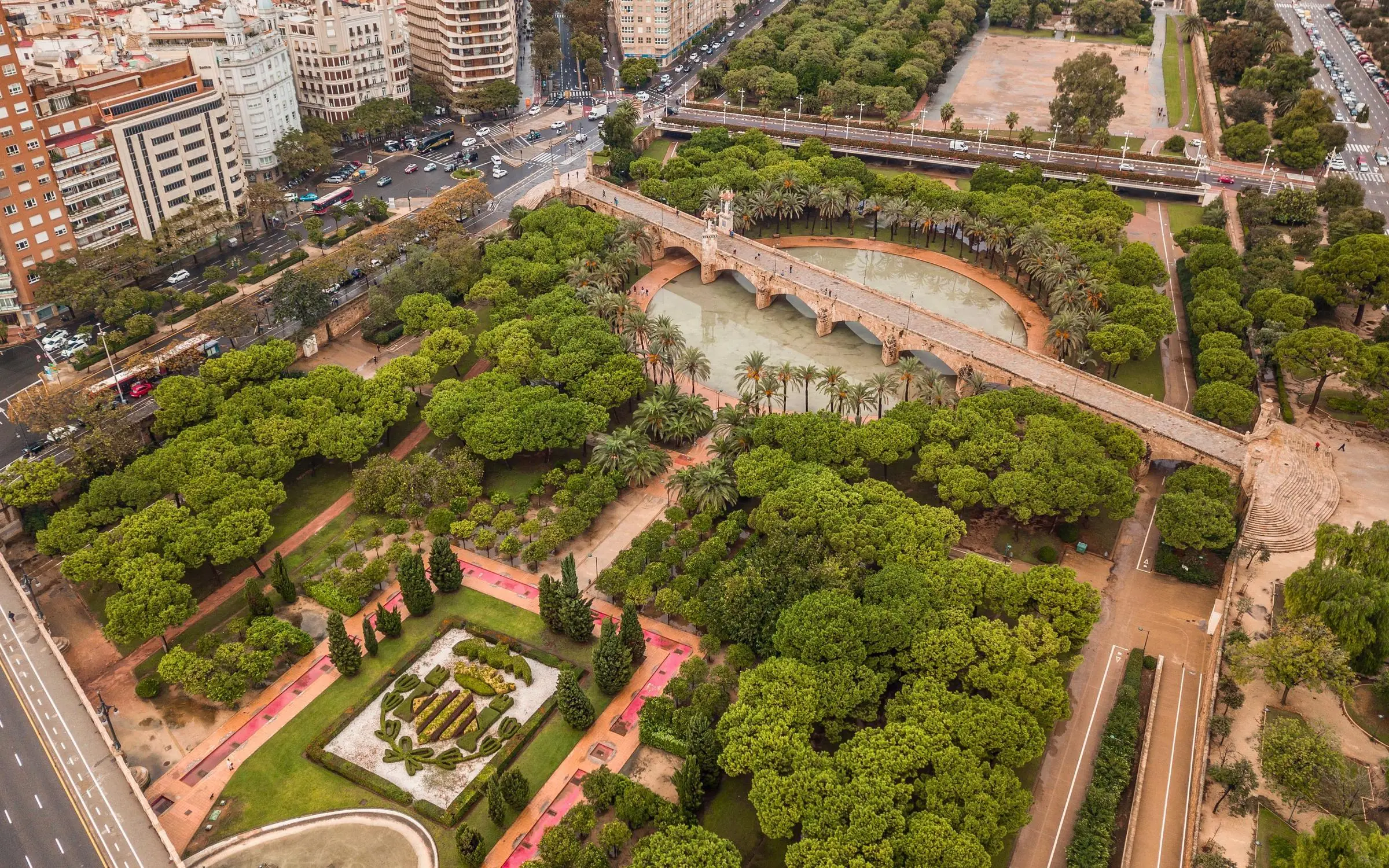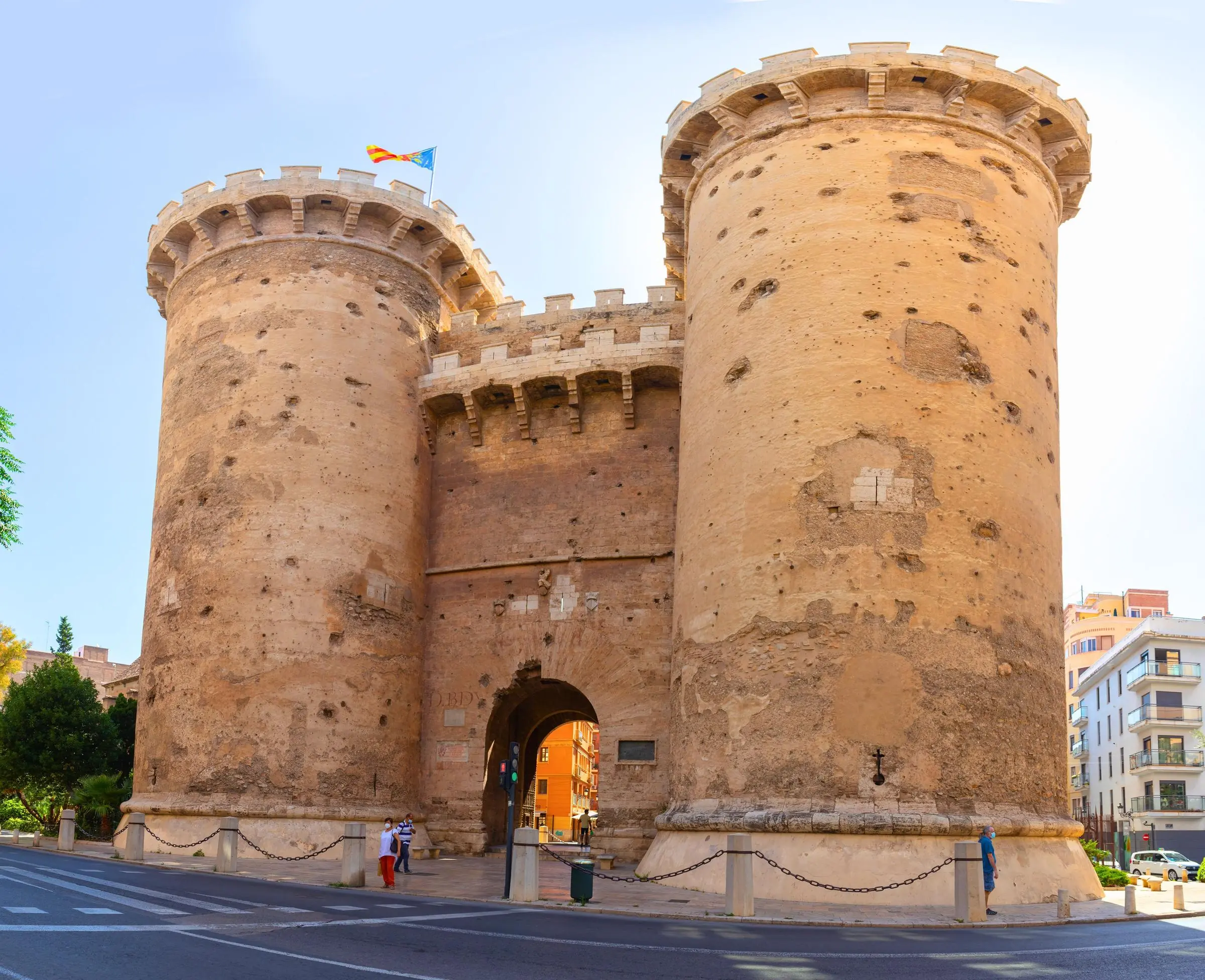
Just a short walk from the medieval Quart Towers, the Jardí Botànic (Botanical Garden of the University of Valencia) offers a dense, green contrast to the stone and asphalt of the city center.
While the garden’s institutional roots date back to 1567—when it was established to grow medicinal plants for university medical students—it has operated out of its current plot on Calle Quart since 1800. Today, it serves as a living museum, a research facility, and a heavily shaded refuge from the intense Valencian sun.
This guide breaks down exactly how to navigate the garden’s five distinct horticultural zones, how to plan your visit based on your travel style, and where to find the quietest corners.
Is the Botanical Garden Right for You?
Because the garden is relatively small compared to the sprawling Turia Gardens, it fits easily into most itineraries. Here is how to approach it based on your travel constraints:
- For Budget Travelers: General admission at the gate is exceptionally cheap (typically around €3 for adults, with discounts for students and seniors). If you have the Valencia Tourist Card, you get a slight discount on entry, plus free use of the buses and metro to get there.
- For Families: The garden is fully enclosed, making it a safe place for younger children to walk. The main paths are wide and stroller-friendly, though they are made of packed gravel, which can be slightly bumpy. Kids are usually most interested in the resident cat colony and the massive, dinosaur-like roots of the older trees.
- For the Time-Poor: You do not need half a day here. You can comfortably walk the entire perimeter and see the main greenhouses in about 45 to 60 minutes. It pairs perfectly with a morning visit to the nearby historic center before heading to lunch.
While you can easily wander on your own, the plant labels are mostly in Latin, Spanish, and Valencian. If you want to understand the history of the medicinal herbs and the 19th-century architecture, a guided walk is highly recommended.
The 5 Horticultural Zones to Explore
The Jardí Botànic is densely packed with over 4,500 species. Rather than wandering aimlessly, it helps to understand the layout. The garden is roughly divided into specific collections, but five areas stand out for visitors.
1. The 19th-Century Umbracle
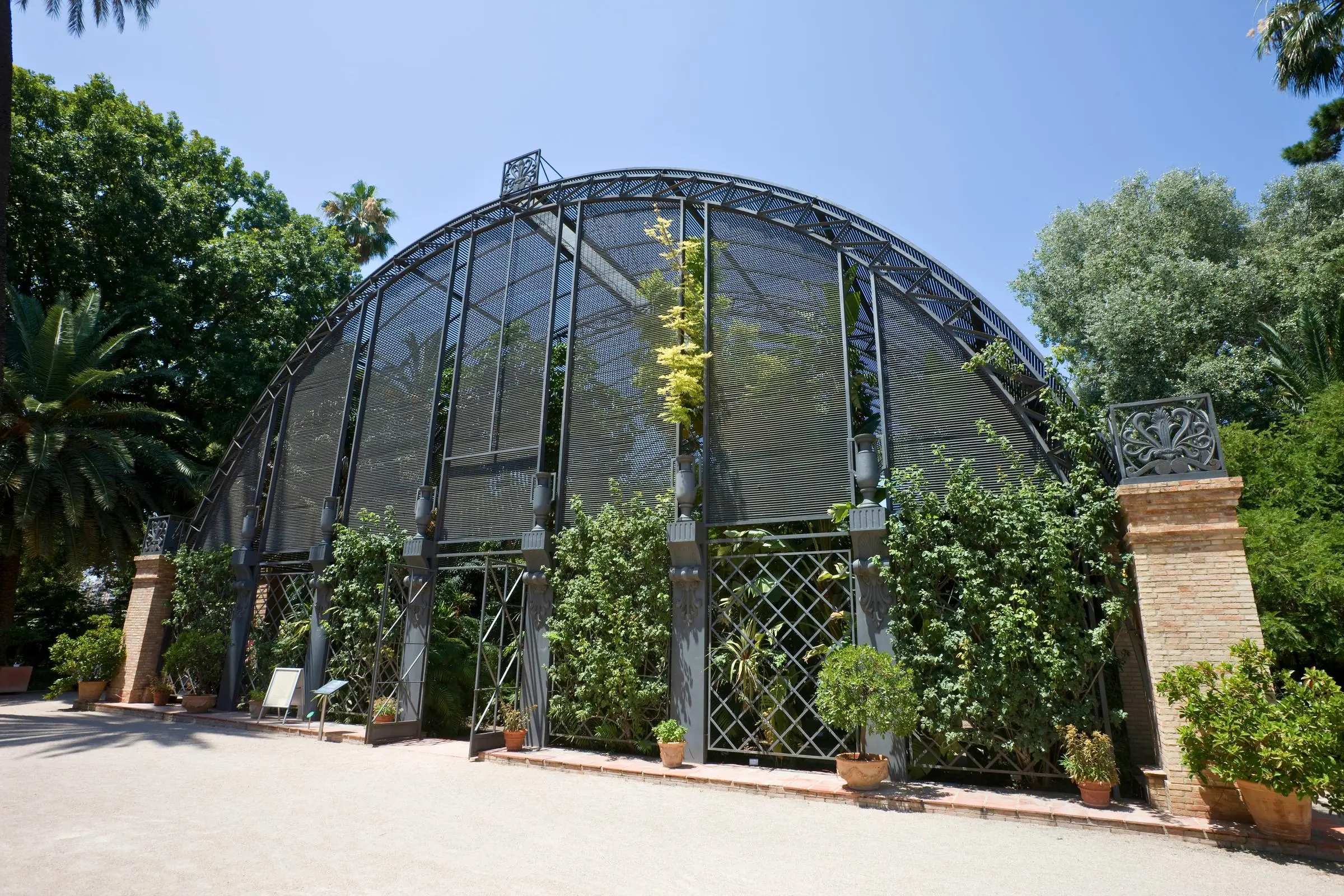
Do not confuse this with the modern, white-ribbed Umbracle over at the City of Arts and Sciences. The Botanical Garden’s Umbracle is a striking piece of 19th-century industrial architecture. Built in 1897-1900, this long, curved wrought-iron structure was designed to mimic the dappled shade of a forest canopy.
Inside, the temperature drops noticeably. It houses a collection of shade-loving and subtropical plants, including massive ferns and climbing vines. The ironwork itself, painted a deep green, is a favorite spot for photographers.
2. The Tropical Palm House Arrays
Valencia’s climate is already hospitable to palms, but the garden takes it a step further with its dedicated tropical greenhouses and outdoor palm groves. The collection is one of the most comprehensive in Europe, featuring everything from the native European fan palm (Chamaerops humilis) to towering date palms and rare species from Madagascar and the Americas.
Pay attention to the large glass greenhouse near the center of the garden; stepping inside feels like walking into a humid jungle, complete with broad-leafed tropicals and orchids.
3. The Monumental Shade Trees
As you walk the perimeter paths, you will encounter the “monumental trees”—specimens that have been growing here since the 1800s. These are the giants of the garden.
Look for the massive Celtis australis (European nettle tree) and the ancient oaks. Their root systems are enormous, often spilling over the stone borders of their planting beds. On a hot July afternoon, the canopy provided by these trees makes the garden several degrees cooler than the surrounding streets of the Extramurs neighborhood.
4. The Medicinal Herb Beds
This is the historical heart of the institution. When the University of Valencia founded its first botanical garden in the 16th century, it was strictly a huerto de simientes (a seed orchard) used to teach medical students how to identify and harvest medicinal plants.
Today, the medicinal collection is neatly organized in geometric beds near the entrance. Plants are grouped by their traditional uses—digestive aids, respiratory treatments, and dermatological salves. It is a fascinating look at early pharmacology.
5. The Feral Cat Conservation Sanctuary
You will inevitably notice the cats. The Jardí Botànic is home to a famous, officially managed colony of feral felines.
Unlike typical street strays, these cats are part of a registered conservation and welfare program. They are fed, vaccinated, and spayed/neutered by a dedicated team of volunteers. You will see them sleeping in the sun on top of the greenhouses or hiding among the ferns.
Do not feed the cats. The volunteers provide them with a specific, balanced diet. Human food or random treats can make them sick. You are welcome to take photos, but let sleeping cats lie.
A 1-Hour Walking Route
If you are short on time, follow this efficient loop to see the highlights without backtracking.
The 60-Minute Botanical Loop
⏱️ Total: 1 hThe Medicinal Beds
Start immediately to your right after the ticket booth. Walk through the geometric herb gardens and read the plaques detailing historical medical uses.
The Umbracle
Head toward the center of the garden to walk the length of the curved iron Umbracle. Take your time here; the light filtering through the roof is excellent for photos.
The Tropical Greenhouses
Exit the Umbracle and cross over to the large glass palm houses. Spend a few minutes inside the humid tropical zone.
The Monumental Trees & Cat Spotting
Follow the outer perimeter path along the back wall. This is where the oldest trees live. Keep an eye out for the resident cats lounging in the shade before looping back to the exit.
Quiet Escape Tips: Beating the Crowds
The Botanical Garden is rarely as crowded as the Central Market or the main plazas, but it does get busy with local school groups and university biology students.
- Timing is Everything: To get the garden mostly to yourself, visit during the traditional Spanish lunch hours (between 14:00 and 16:00). Most locals are eating, and the school groups have gone home.
- Avoid Tuesday Mornings: This is peak time for primary school field trips. The main paths can get loud and congested.
- The Best Benches: If you want to read a book or just sit quietly, avoid the benches near the main entrance and the restrooms. Instead, head to the far northwest corner of the garden, near the monumental oaks. The benches here back up against a high stone wall and are almost always empty.
Logistics & Practical Information
Getting There
The garden is located at Calle Quart, 80, just outside the old city walls.
- By Metro: The closest stops are Turia (Line 1, 2) and Àngel Guimerà (Lines 1, 2, 3, 5, 9). Both are about a 7-to-10-minute walk away.
- By Bus: EMT bus lines 73, 81, and 95 drop you very close to the entrance.
- Walking: If you are already exploring the Ciutat Vella, simply walk west down Calle Quart, pass through the Quart Towers, and continue for two blocks. The entrance will be on your right.
Tickets and Tours
You can buy general admission tickets directly at the gate. There is rarely a line.
If you prefer a structured visit with a knowledgeable guide who can explain the historical context and point out rare species, you can book a guided tour.
Facilities
- Restrooms: Located near the main entrance building. They are clean and well-maintained.
- Food & Drink: There is no cafe inside the garden, only a few vending machines near the entrance. You are not allowed to bring picnics or eat meals on the grounds to protect the plants and the cat colony. For coffee, head out to Calle Quart—there are several excellent cafes within a two-minute walk.
Keep Planning: Looking for more green space? Check out our guide to renting a bike and riding the length of the Turia Gardens.
Where to Stay Nearby
The neighborhood surrounding the garden is known as El Botànic (part of the larger Extramurs district). It is an excellent place to stay if you want to be close to the historic center but prefer quieter nights and slightly cheaper hotel rates.
Use the map below to find accommodations within walking distance of the garden and the Quart Towers.
Frequently Asked Questions
Are dogs allowed in the Botanical Garden?
No, dogs and other pets are strictly prohibited inside the Jardí Botànic. This rule is enforced to protect the delicate plant collections and to avoid stressing the resident feral cat colony. Guide dogs for the visually impaired are the only exception.
What is the difference between the Jardí Botànic and the Jardines del Viveros?
The Jardí Botànic is a scientific and academic institution focused on plant conservation, research, and specific horticultural collections. It requires a small entry fee. The Jardines del Real (Viveros) is a large, free public park with wide avenues, fountains, and playgrounds, better suited for picnics and casual recreation.
Is the garden wheelchair and stroller accessible?
Yes, the garden is generally accessible. The terrain is entirely flat, and there are ramps where necessary. However, be aware that the main paths are made of compacted dirt and gravel, which can require a bit more effort to navigate with thin-wheeled strollers or manual wheelchairs.
How much time should I plan to spend here?
Most visitors spend between 45 minutes and 1.5 hours in the garden. If you are a botany enthusiast or taking a guided tour, you might stretch that to 2 hours, but it is not a massive, all-day destination.
Can I bring food or have a picnic inside?
No. To maintain the cleanliness of the grounds and protect the plants and animals, eating meals or having picnics is not allowed inside the garden. You can bring a water bottle, but save your snacks for the cafes just outside the gates.
Is the Umbracle here the same as the one at the City of Arts and Sciences?
No. The Umbracle in the Botanical Garden is a historic, 19th-century wrought-iron structure. The Umbracle at the City of Arts and Sciences is a massive, modern, white architectural promenade designed by Santiago Calatrava in the late 1990s.