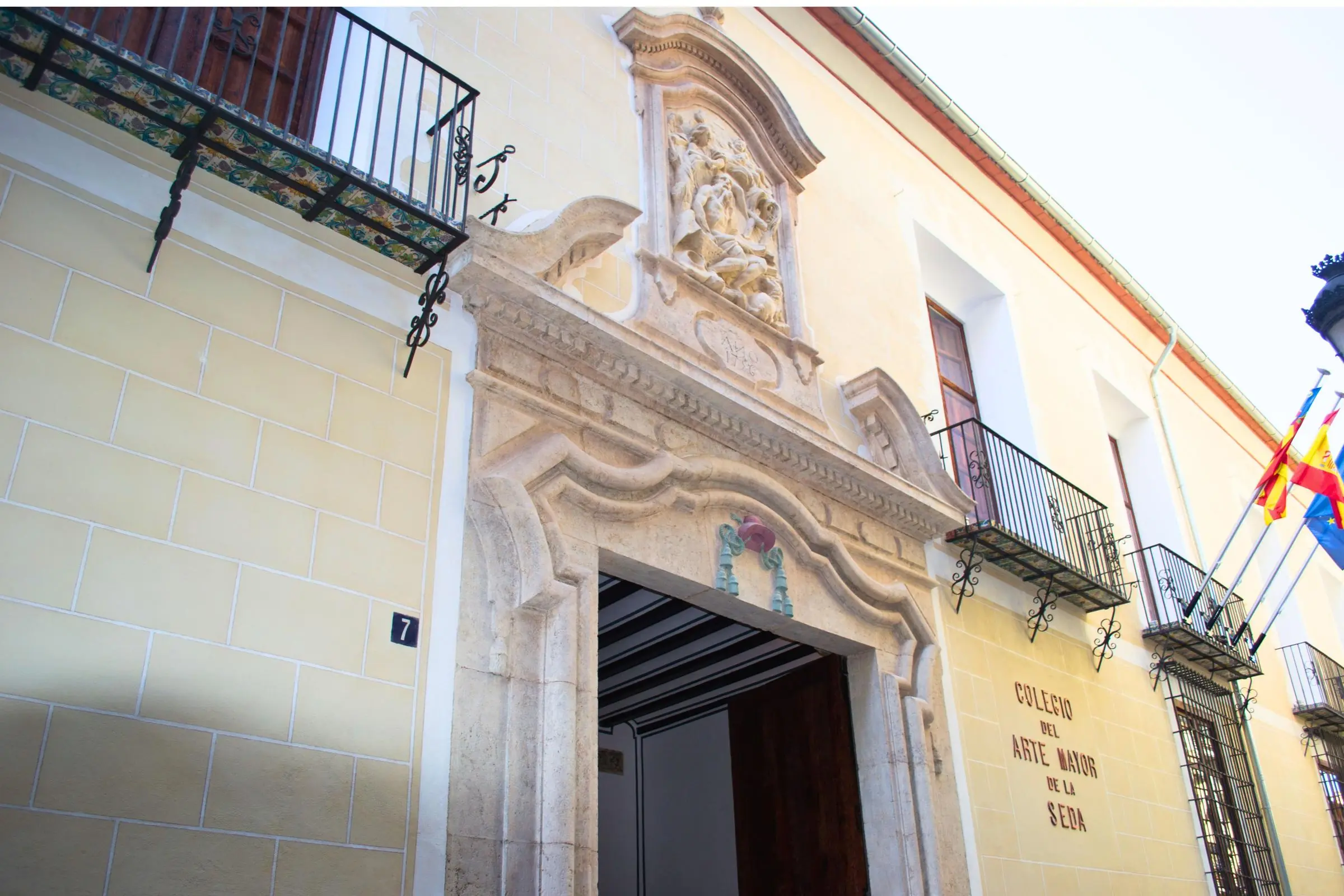
Tucked away in the quiet streets of the Velluters district, the Museo de la Seda (Silk Museum) occupies the historic College of High Silk Art (Colegio del Arte Mayor de la Seda). While most visitors flock straight to the grand Silk Exchange in the city center, this 15th-century guild building is where the actual labor, regulation, and artistry of Valencia’s silk trade took place.
During the 15th to 18th centuries, silk was the engine of Valencia’s economy. At its peak, nearly half the city’s population was involved in the trade, and the Velluters neighborhood was packed with thousands of clacking looms. Today, the restored museum offers a tangible look at this era, complete with working 18th-century looms, intricate ceramic tilework, and an archive of historical patterns.
This guide breaks down exactly what to look for inside the museum, how to choose your entry tickets, and how to pair your visit with a walking route through the city’s historic silk landmarks.
The physical signage inside the museum is relatively sparse and heavily reliant on Spanish. To understand the mechanics of the looms and the history of the guild, you will need the audio guide. The standard entry ticket + audio guide includes this via an app you download to your phone. Bring your own headphones.
Who Should Visit (And How to Plan)
The Silk Museum is a specialized historical site. It is quieter and more academic than major attractions like the City of Arts and Sciences, making it an excellent retreat from the crowds in Ciutat Vella.
- For the Time-Poor: You can complete the museum in 45 minutes. Focus strictly on the ground-floor loom demonstration and the upstairs Hall of Fame. Skip the detailed archival reading room if you are rushing to make a guided walking tour.
- For Budget Travelers: If you plan to visit multiple historic churches, look into bundled tickets. The Silk Museum is managed by the same foundation that runs the Church of San Nicolás and Santos Juanes Church. You can often buy a combined pass at the door that saves you a few euros compared to buying single tickets.
- For Families: Older children might find the mechanical complexity of the wooden looms interesting, especially if a volunteer is actively weaving. However, this is a quiet, “look but don’t touch” museum. If you have energetic toddlers, the outdoor mulberry courtyard is the only space where they can move freely.
5 Highlights Inside the College of High Silk Art
The building itself is a blend of Gothic and Baroque architecture, having been expanded and remodeled over several centuries. Here are the five specific areas you should not miss.
1. The Working 18th-Century Wooden Looms
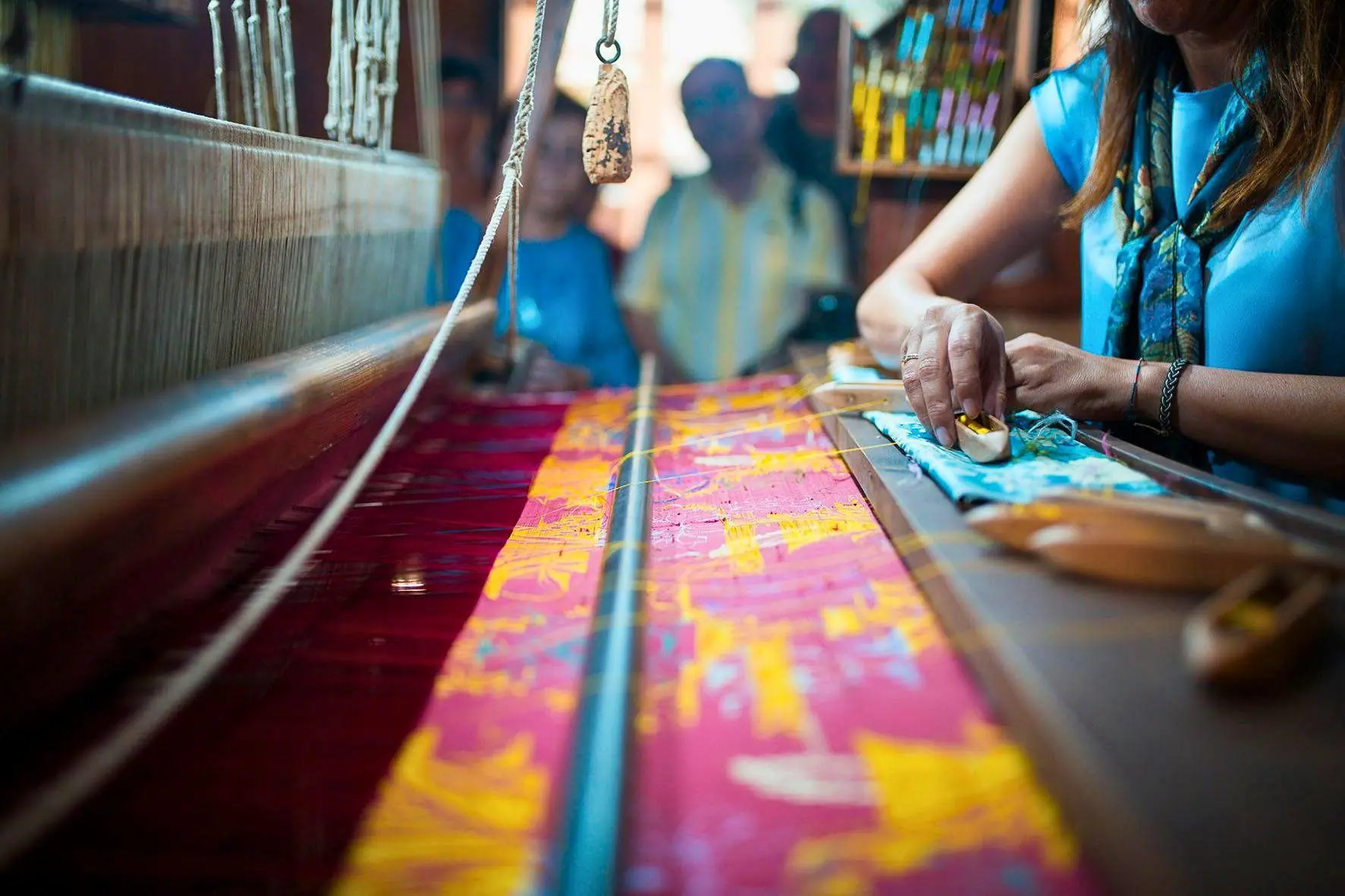
On the ground floor, you will find the loom room (Sala de Telares). This is the mechanical heart of the museum. The room houses massive, fully functional wooden handlooms from the 18th and 19th centuries.
If you visit during the late morning, you will often find a master weaver operating the Jacquard loom. Watching the punch-card system dictate the intricate floral patterns in the silk is the best way to understand how labor-intensive this fabric was. The sheer physical effort required to operate the foot pedals and throw the shuttle gives context to the high price of Valencian silk.
2. The Hall of Fame (Sala de la Fama)
Head upstairs to the main guild hall, where the masters of the College of High Silk Art held their meetings. The room is visually striking, but the main attraction is above your head.
The ceiling features a massive, vibrant fresco painted by José Vergara in the late 18th century. It depicts Saint Jerome (the patron saint of the silk weavers) alongside allegorical figures representing the continents where Valencia traded its silk. The perspective is designed to draw your eye upward, creating an illusion of a domed sky. There is a mirror table in the center of the room so you can study the ceiling without straining your neck.
3. The Pomona Ceramic Tile Patio
Connected to the Hall of Fame is a small, enclosed patio that showcases some of the finest 18th-century Valencian ceramics in the city. The walls are covered in hand-painted tiles depicting the Allegory of Pomona (the Roman goddess of fruitful abundance).
The tiles show Pomona surrounded by cherubs, agricultural tools, and seasonal harvests. It is a masterpiece of the local socarrat and glazed tile traditions, serving as a reminder that Valencia’s wealth was built on both its agricultural output and its artisan crafts.
4. The Historical Pattern Archives
The College of High Silk Art was responsible for maintaining quality control across the city. In the archive room, you can see the massive, leather-bound ledgers where the guild recorded master weaver exams, trade regulations, and fabric samples.
The display cases hold centuries-old swatch books. These books contain tiny, perfectly preserved squares of silk brocade, damask, and velvet, showing the evolution of fashion and textile design from the 15th to the 19th century. It is a rare look at the exact colors and patterns that wealthy Europeans wore during the Renaissance and Baroque periods.
5. The Mulberry Tree Garden
Before you leave, spend a few minutes in the central courtyard. This space is planted with white mulberry trees (Morus alba).
Mulberry leaves are the sole food source for the Bombyx mori silkworm. During Valencia’s silk boom, the countryside surrounding the city was planted with millions of these trees. The courtyard now houses a quiet cafe where you can sit under the trees with a coffee and escape the city noise.
The Fallas Connection: The silk weaving tradition is still alive in Valencia today, primarily to supply the incredibly expensive, hand-woven silk dresses worn by the Falleras during the annual Las Fallas festival. You will see examples of these modern, traditional dresses on display in the museum’s final rooms.
Ticket Options and Audio Guides
The Silk Museum is privately managed, so it is not included in the free entry days that apply to municipal museums. You have a few options for entry passes.
Silk Museum Entry + Audio Guide
- Includes skip-the-line entry.
- Includes the official audio guide app (download required).
- Best for visitors who only want to see the museum.
Silk Route Walking Tour
- 2-hour guided walking tour of the Velluters district.
- Includes guided entry to the Silk Museum.
- Includes guided entry to La Lonja de la Seda.
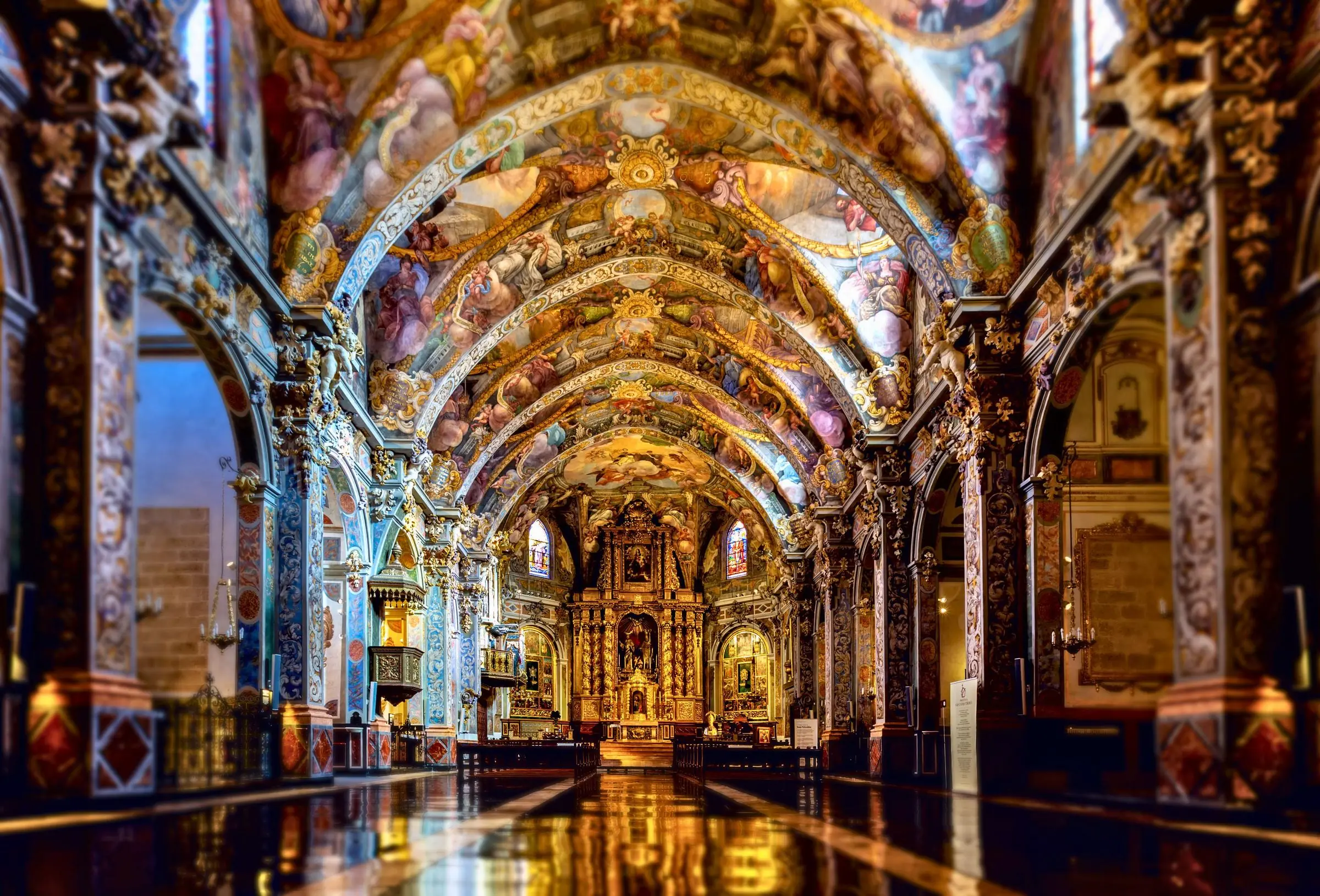
If you are planning to visit the Church of San Nicolás (highly recommended), wait to buy your tickets. You can purchase a combined “San Nicolás + Silk Museum + Santos Juanes” ticket at the door of any of the three monuments, which is cheaper than buying them individually online.
Walking Route: The Valencia Silk Trail
To fully understand the scale of the silk trade, you should pair the museum with the buildings where the silk was sold. This short, 15-minute walking route connects the production side (Velluters) with the commercial side (La Lonja).
Self-Guided Silk Route
⏱️ Total: 1 hThe Silk Museum (Velluters)
Begin your visit at the College of High Silk Art. Spend 45 minutes exploring the looms and the Hall of Fame. When you exit, take a moment to look at the street signs in the Velluters neighborhood—many are named after weaving professions (e.g., Calle de los Torcedores).
Walk via Central Market
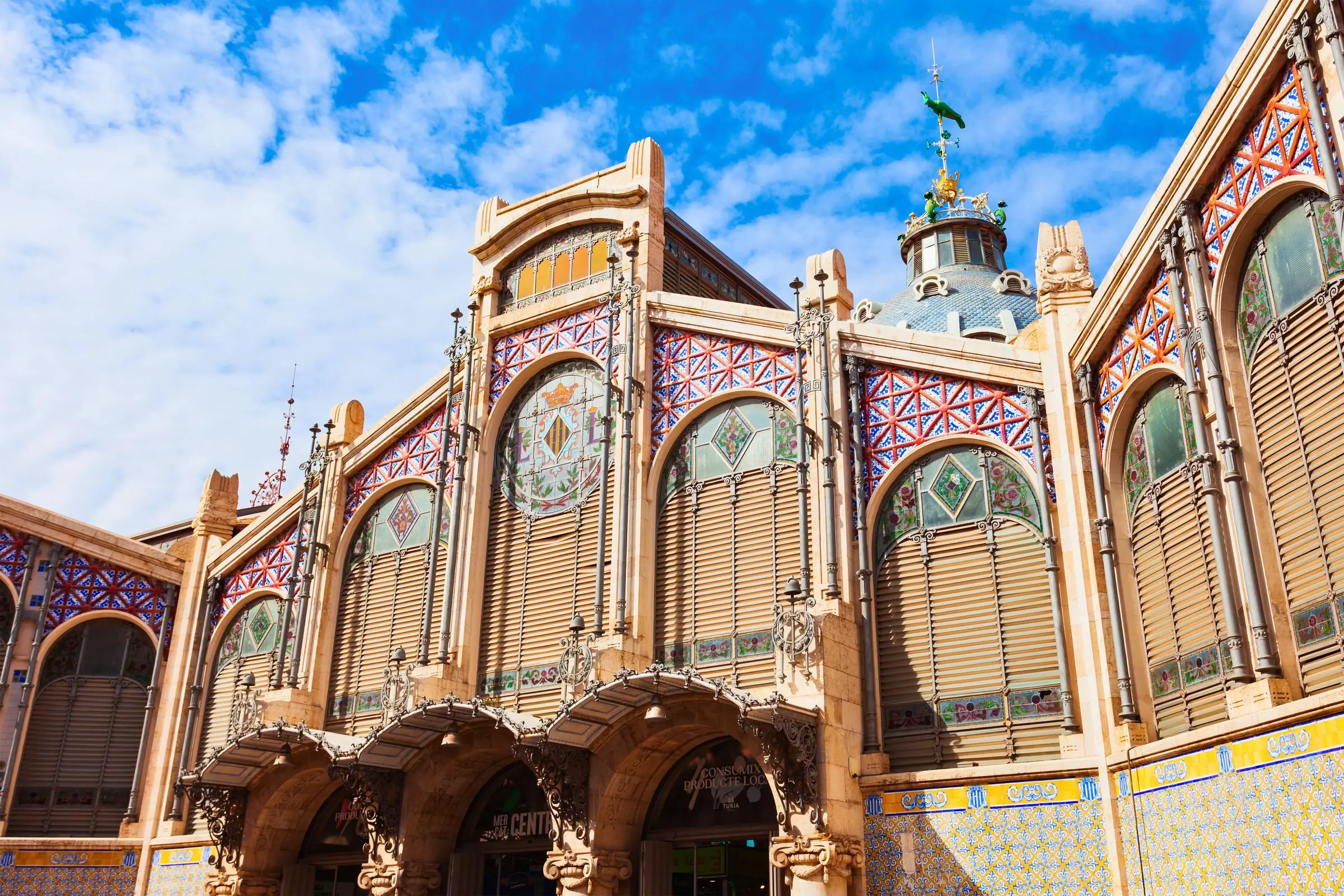
Head east toward the city center. You will pass the massive Central Market. While the market building is early 20th-century modernist, the square outside has been a commercial trading hub since the Islamic era.
La Lonja de la Seda
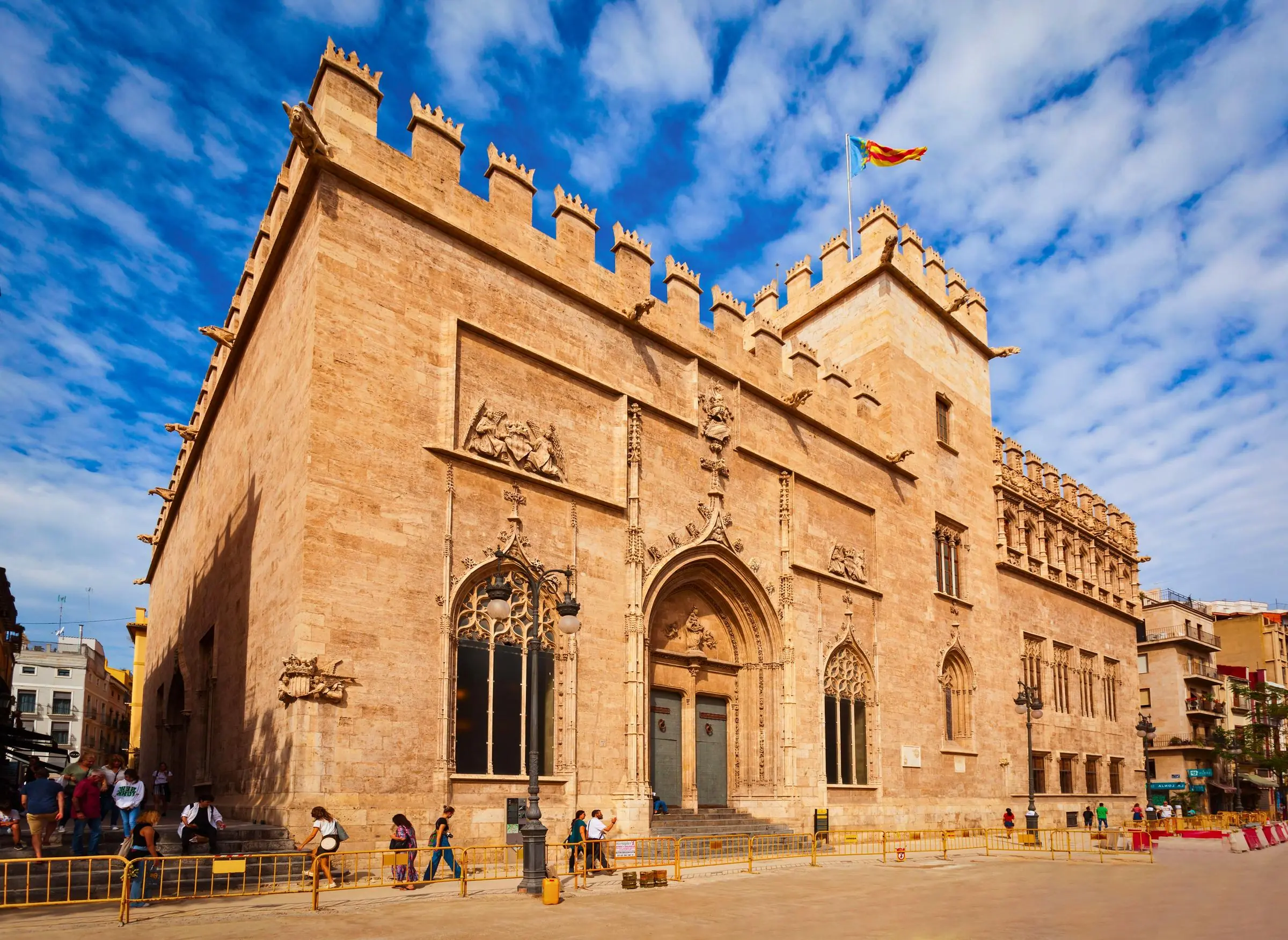
Arrive at the Silk Exchange. This UNESCO World Heritage site is where merchants from across the Mediterranean came to negotiate contracts for the silk produced back in Velluters. The contrast between the working-class guild house and this soaring, palatial trading floor perfectly illustrates the wealth silk brought to Valencia.
Keep Planning: If you want a local expert to explain the history as you walk, consider booking the Silk Exchange, San Nicolás & Cathedral Guided Tour.
Logistics & Practical Tips
Getting There: The museum is located at Calle Hospital, 7.
- Metro: The closest station is Àngel Guimerà (Lines 1, 2, 3, 5, 9), about a 5-minute walk away. Xàtiva station is also a short walk.
- Bus: EMT lines 11, 27, 60, 62, and 73 stop nearby on Avenida del Oeste.
Opening Hours:
- Tuesday to Saturday: 10:00 AM – 7:00 PM
- Sunday: 10:00 AM – 3:00 PM
- Monday: Closed.
- Tip: Last entry is usually 45 minutes before closing.
Accessibility: The museum is fully wheelchair accessible. There is an elevator to reach the Hall of Fame and the upper archives, and ramps are installed where there are minor floor level changes on the ground floor.
The Museum Shop: If you are looking for authentic Valencian silk souvenirs, the museum shop is excellent. They sell silk scarves, ties, and fans made by local artisans using traditional patterns. It is more expensive than the souvenir shops around the Cathedral, but the quality is genuine.
Where to Stay Nearby
The Velluters district sits right on the western edge of the historic center. Staying here keeps you within walking distance of the Central Market and the Quart Towers, but it is generally quieter and slightly cheaper than staying right next to the Cathedral.
Frequently Asked Questions
Is the audio guide included in the ticket price?
Yes, if you purchase the standard entry ticket, the audio guide is included. However, it is an app-based guide that you download to your smartphone via a QR code at the entrance. You must bring your own headphones, as the museum does not provide physical audio devices.
How much time do I need to visit the Silk Museum?
Most visitors spend between 45 minutes and 1 hour inside. If you listen to every single audio guide track and spend time watching the loom demonstrations, it can take up to 90 minutes.
Are the looms always operating?
No. The museum relies on volunteer master weavers to operate the 18th-century looms. They are most frequently working on weekday mornings (Wednesday through Friday). If no one is weaving, you can still view the looms up close, and video screens demonstrate how they work.
What does 'Velluters' mean?
Velluters is the traditional name for the neighborhood surrounding the museum. In the Valencian language, vellut means velvet, and velluters refers to the velvet weavers who lived and worked in this district during the 15th to 18th centuries.
Is the Silk Museum included in the Valencia Tourist Card?
The Valencia Tourist Card provides a discount on entry (usually around 10-15% off at the door), but it does not offer free admission, as the museum is privately run by a foundation, not the city council.
Can I buy real Valencian silk at the museum?
Yes. The gift shop, located near the exit, sells authentic silk products including scarves, ties, and traditional Fallera fabric swatches. The items are certified and made by local textile companies that still use historical guild patterns.