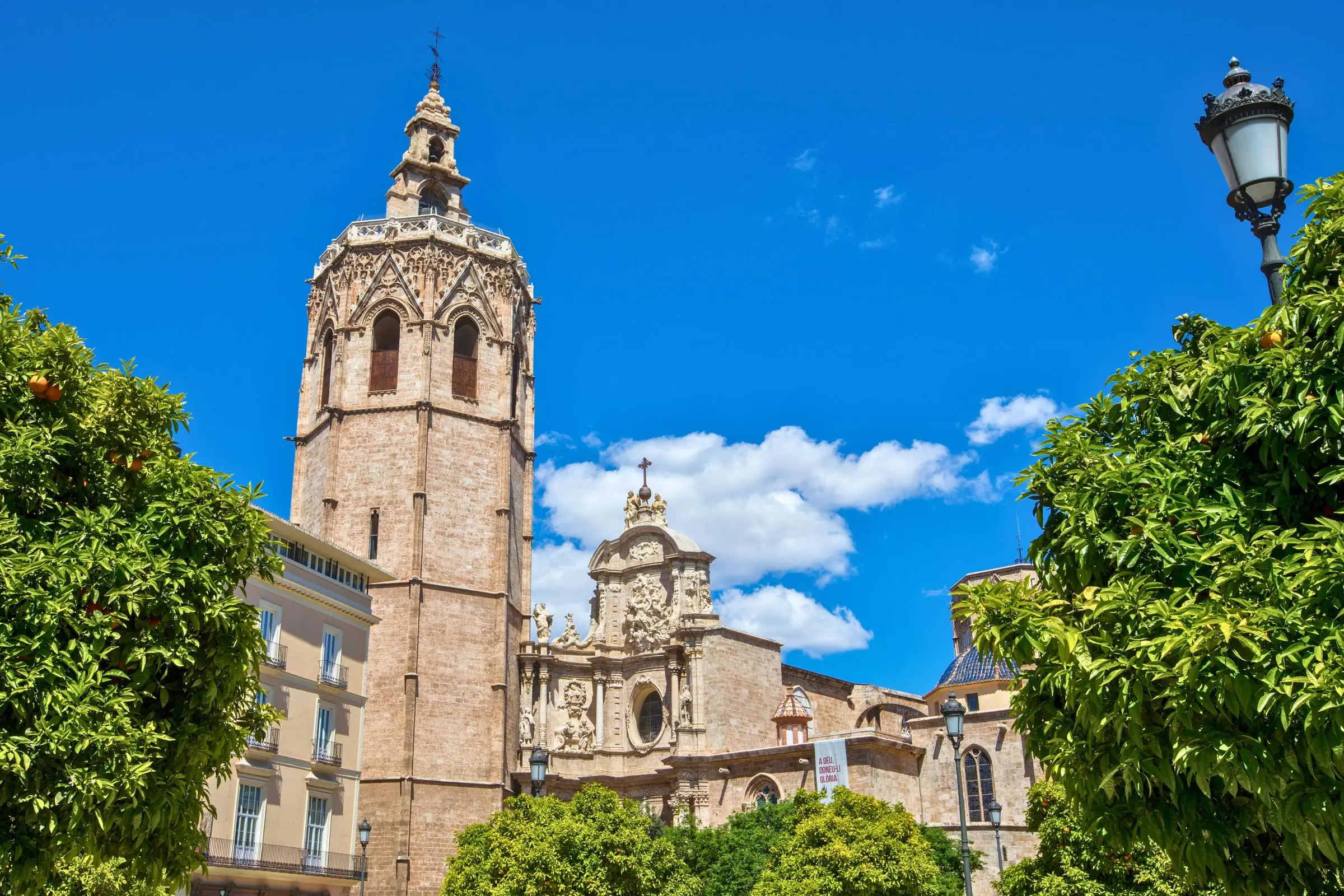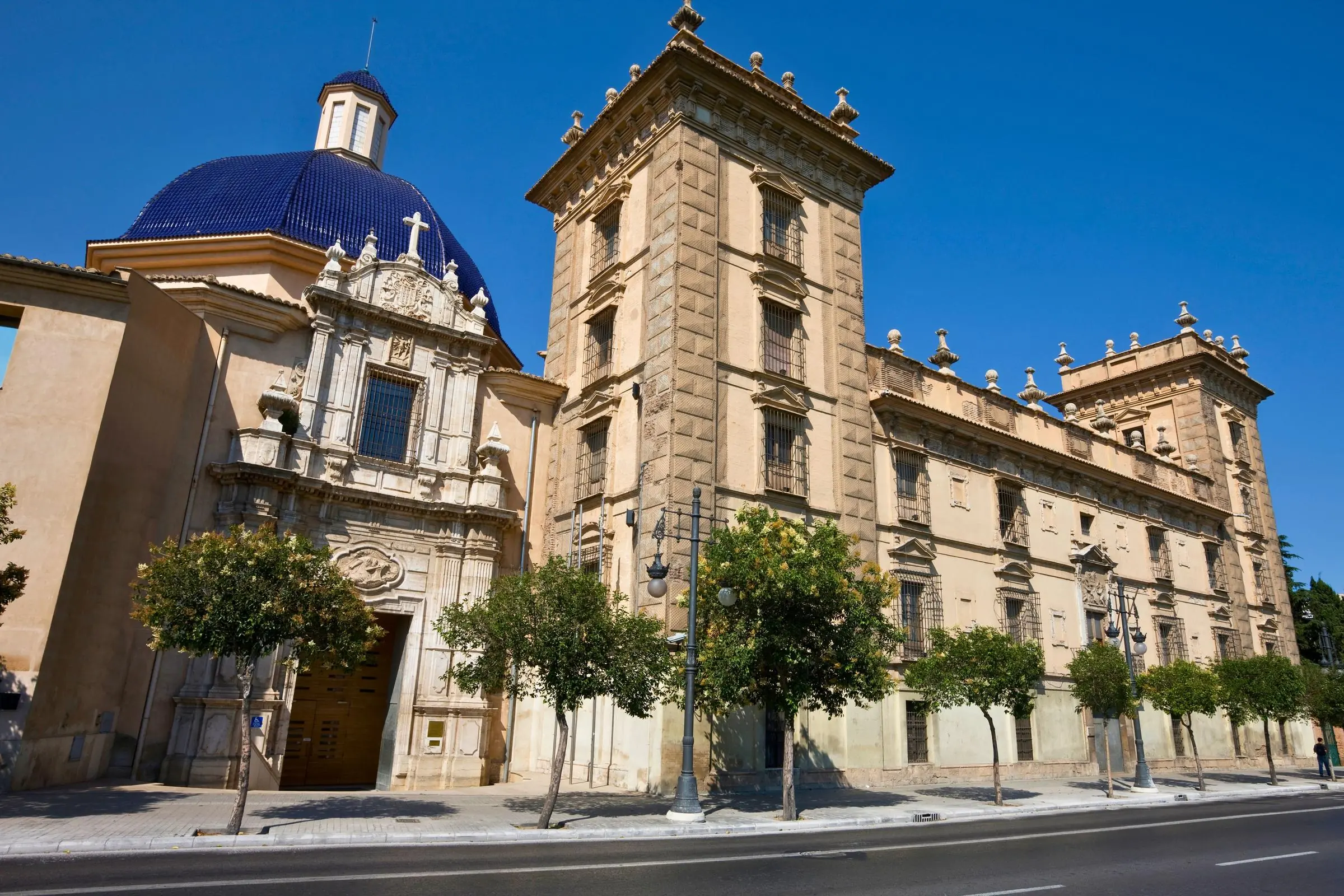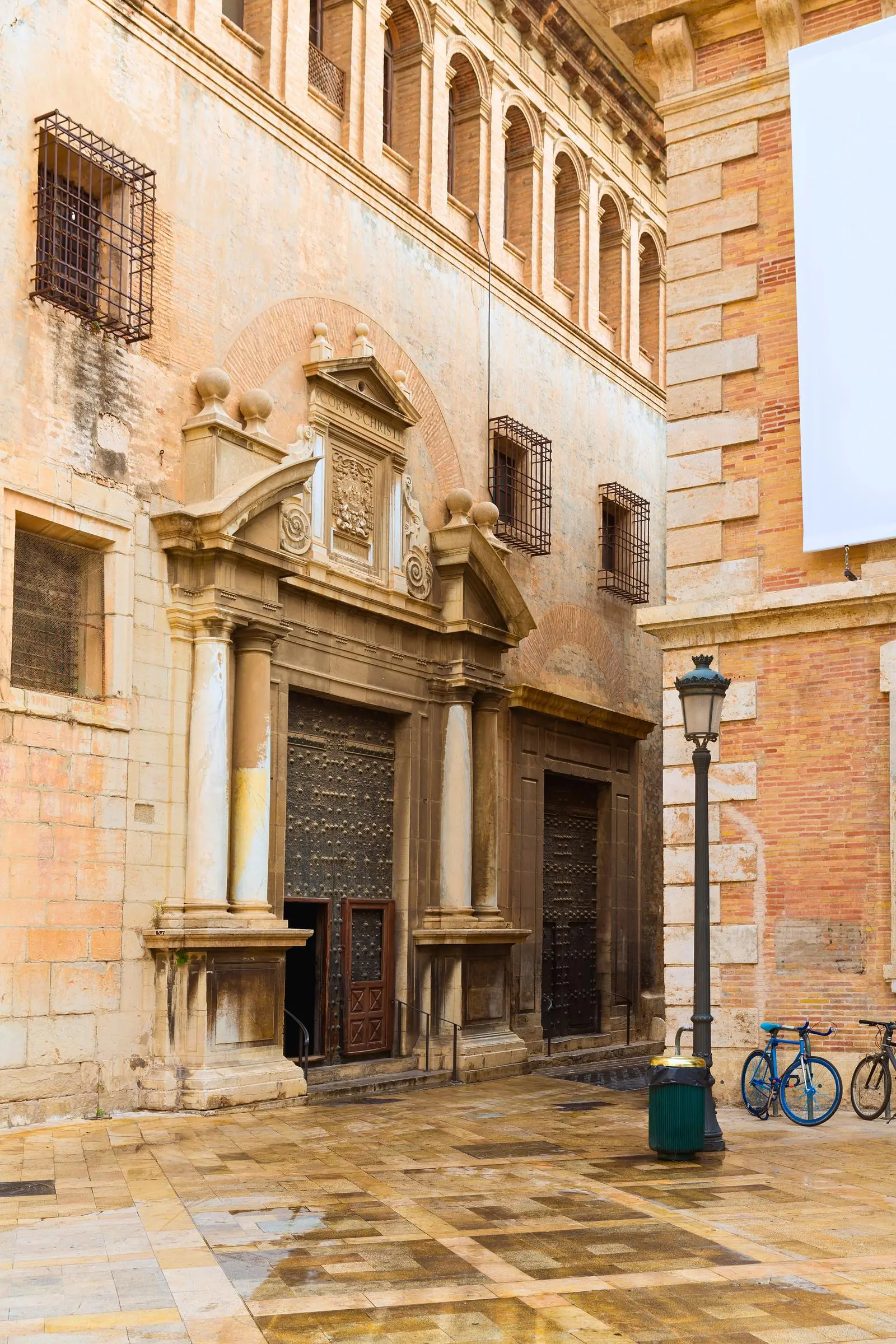
Tucked away on Carrer de la Nau in Valencia’s bustling university district, the Royal Seminary of Corpus Christi—locally known as El Patriarca—is a heavy, fortress-like building that most tourists walk right past. Founded in 1583 by Archbishop Juan de Ribera, this functioning seminary is one of the most intact examples of Renaissance architecture in Spain.
Unlike the busy Valencia Cathedral or the heavily trafficked La Lonja de la Seda, El Patriarca operates on its own quiet rhythm. It is part museum, part active religious college, and part architectural time capsule. If you are looking for a loud, interactive museum, this isn’t it. But if you want to see original Caravaggio and El Greco paintings without the crowds, stand beneath a 16th-century stuffed alligator, and walk through a pristine Italianate marble courtyard, this guide covers exactly how to do it.
Because El Patriarca is an active seminary, the Capilla Mayor (Main Chapel) is closed to sightseers during religious services. The museum section has limited hours, typically closing by 1:30 PM. Always check the schedule before you go.
Logistics: Rules, Tickets, and Getting There
Visiting El Patriarca requires a bit more planning than standard city attractions due to its strict operational rules.
Strict Quiet-Hour Rules and Dress Code
This is a working seminary where students live and study. The staff enforces a strict code of silence in the cloister and chapel. You will be asked to lower your voice to a whisper, and security guards will quickly shush anyone speaking at a normal volume.
Additionally, a modest dress code is enforced. Shoulders and knees must be covered to enter the chapel and the museum. If you are visiting in the middle of a hot Valencian summer in a tank top and shorts, you will be turned away at the door. Bring a light scarf or shawl to wrap around your shoulders.
How to Get There
El Patriarca is located at Carrer de la Nau, 1, directly across from the historic La Nau building of the University of Valencia.
- On Foot: It’s a 5-minute walk from the Marqués de Dos Aguas Palace and about 8 minutes from the Cathedral.
- Metro: The closest metro station is Colón (Lines 3, 5, 7, and 9), which is a 5-minute walk away.
- Bus: EMT bus lines 4, 6, 16, 26, and 31 drop you off near Plaza de la Reina or Plaza del Ayuntamiento, both a short walk away.
Tickets and Hours
The museum and monument generally open from 11:00 AM to 1:30 PM, and again from 5:00 PM to 7:00 PM, though morning visits are much more reliable. Tickets cost around €5 and are purchased directly at the entrance. There is no need to book skip-the-line entry passes for this specific building, as lines are rare.
5 Highlights of El Patriarca
The complex is divided into several distinct areas. Here is a deep dive into the five things you should prioritize during your visit.
1. The Vestibule and the “Dragon of the Patriarca”
Before you even reach the ticket desk, you will step into the dark, stone vestibule and come face-to-face with one of Valencia’s strangest historical artifacts. Hanging high on the wall above the holy water font is a massive stuffed alligator.
Locally known as the Dragón del Patriarca, legend long held that this beast lived in the Turia River and terrorized the city until a brave prisoner killed it using a suit of mirrors. In reality, the alligator was a gift from the Viceroy of Peru to Archbishop Juan de Ribera in the 16th century. It was hung in the vestibule as a symbol of silence (since crocodiles have no tongues, according to medieval bestiaries) and as a warning against heresy. It’s a bizarre, slightly dusty piece of taxidermy that immediately sets the tone for the building.
2. The Double-Arched Italianate Marble Courtyard
Once you pass the vestibule, you enter the cloister. This is widely considered one of the finest Renaissance courtyards in Spain.
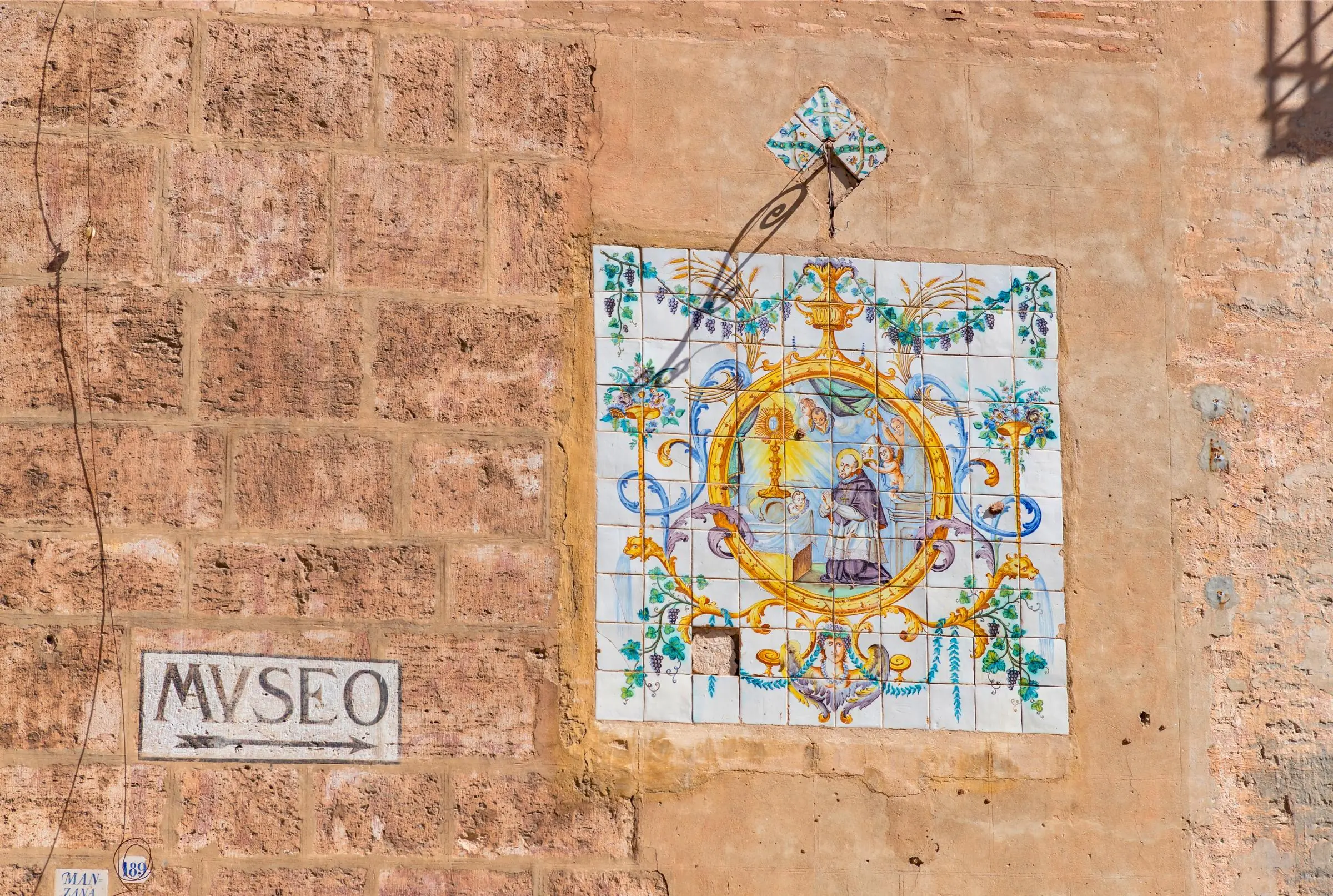
The courtyard features a double gallery of arches supported by white marble columns that were imported directly from Genoa, Italy. The contrast between the stark white marble and the warm, golden stone of the upper levels is striking. In the center sits a simple stone fountain, and the only sound you’ll hear is the trickling water. Take a moment to look at the azulejo (ceramic tile) wainscoting along the lower walls, which adds a distinctively Valencian touch to the otherwise purely Italian design.
3. The Capilla Mayor (Main Chapel) Frescoes
If the cloister is an exercise in restrained Renaissance geometry, the Capilla Mayor is an explosion of color. Every inch of the chapel’s walls and vaulted ceilings is covered in frescoes painted by the Genoese artist Bartolomé Matarana between 1597 and 1605.
The frescoes depict scenes from the life of the Virgin Mary and the Eucharist. The sheer scale and preservation of the colors are impressive. At the main altar, you’ll find a massive Last Supper painting by Francisco Ribalta, one of the masters of the Spanish Baroque.
Local Tip: Try to visit on a Friday morning at 9:30 AM. The seminary holds a traditional Gregorian chant mass (Miserere), and the Ribalta painting is mechanically lowered to reveal a hidden reliquary containing a piece of the True Cross. It is a highly atmospheric, centuries-old ritual.
4. The Museum Collection: Caravaggio and El Greco
The museum rooms are located off the cloister and house Juan de Ribera’s personal art collection. While small, the collection punches far above its weight.
The undeniable highlights are:
- El Greco: You will find several works by the Greek master, most notably his haunting Adoration of the Shepherds.
- Caravaggio (School of): There is a striking painting of Salome with the Head of John the Baptist. While art historians debate if it is a true Caravaggio or a high-quality contemporary copy by his followers, the dramatic chiaroscuro lighting makes it a standout piece.
- Flemish Primitives: The collection also includes excellent early Netherlandish paintings, including a triptych by Dirk Bouts.
If you are an art lover, pairing this small collection with a visit to the Museum of Fine Arts will give you a comprehensive look at Valencia’s artistic heritage.
5. The Historic Library Vaults
While the main library is largely restricted to researchers, the museum tour allows you to see the entrance and some of the displayed manuscripts. Juan de Ribera was a voracious reader and collector, amassing over 3,000 volumes during his lifetime.
The collection includes original papal bulls, illuminated choir books, and surprisingly, original writings by Sir Thomas More, which were smuggled out of England during the Tudor period. The heavy wooden doors and vaulted ceilings of the library area feel like stepping onto a movie set.
Advice for Different Types of Travelers
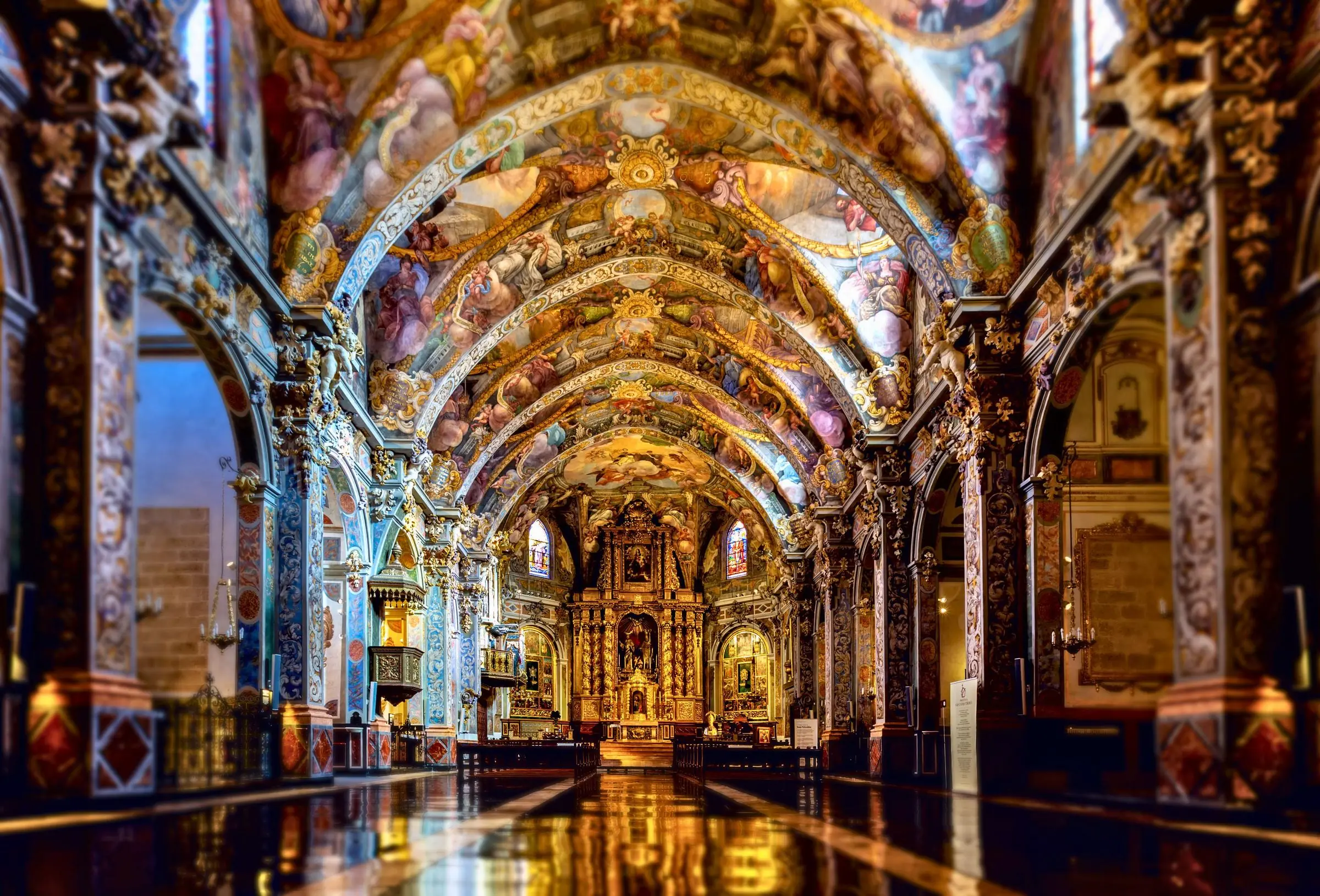
Church of San Nicolás
Navigate the narrow alleys of El Carmen to find a 15th-century Gothic church hiding 1,900 square meters of spectacular Baroque frescoes.
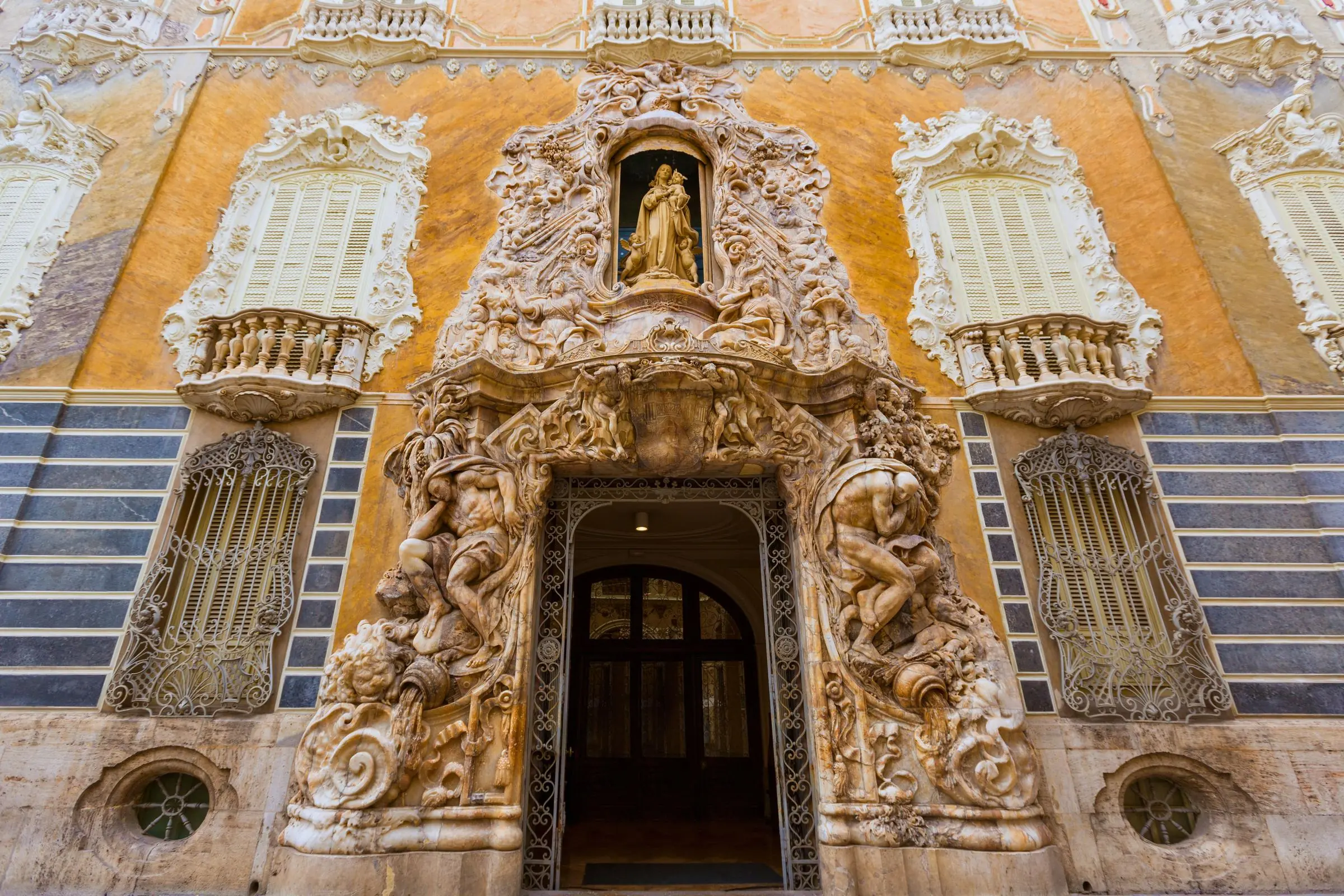
Marqués de Dos Aguas Palace
Step inside Valencia's most extravagant Rococo mansion to explore centuries of Spanish ceramic history.
For the Time-Poor Traveler
If you only have 2 days in Valencia and are rushing between the City of Arts and Sciences and the Cathedral, you can see the highlights of El Patriarca in about 45 minutes. Skip the detailed reading in the museum and focus on the visual impact of the courtyard, the alligator in the vestibule, and the Capilla Mayor frescoes.
For Art and History Buffs
Allocate at least 90 minutes. The museum collection is dense with religious symbolism, and the transition from Renaissance architecture in the cloister to early Baroque painting in the museum requires time to digest. Consider booking a specialized historical walking tour that includes the university district to get broader context on Juan de Ribera’s influence on the city.
For Families with Children
El Patriarca is a tough sell for young children. The strict silence rules mean you will spend most of your time telling toddlers to be quiet. However, older kids might be fascinated by the “Dragon of the Patriarca” in the vestibule. If you have young kids, show them the alligator (which is free to see in the entryway) and then head over to the Turia Gardens where they can run off some energy.
Neighborhood Context: The University District
El Patriarca sits in the heart of Valencia’s oldest academic neighborhood. The streets here are narrow, largely pedestrianized, and lined with historic buildings and cafes catering to students and professors.
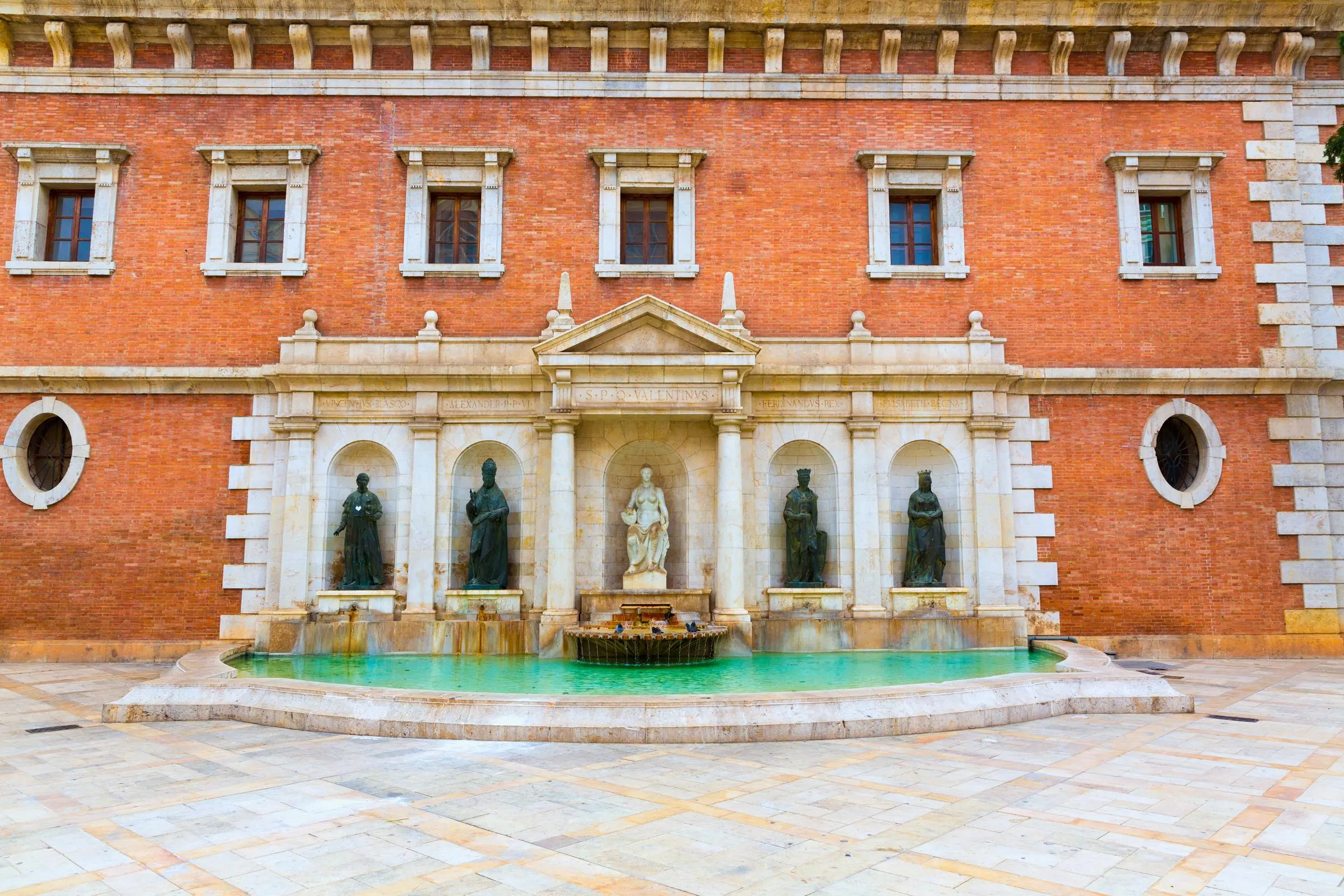
A Quick Walk Around the University District
⏱️ Total: 1 hLa Nau
Directly across from El Patriarca is La Nau, the original 1499 building of the University of Valencia. It has a beautiful neoclassical courtyard and often hosts free contemporary art exhibitions.
Plaza del Patriarca
Step out into the small square next to the seminary. It’s a quiet spot surrounded by orange trees, perfect for a quick photo of the building’s austere exterior.
Coffee at Carrer de la Pau
Walk one block north to Carrer de la Pau (Calle de la Paz), one of Valencia’s most elegant streets. Stop at one of the historic cafes for a café con leche and admire the modernist architecture.
Keep Planning: For more on exploring the historic center, check out our guide to the Ciutat Vella neighborhood.
Where to Stay Nearby
Staying in the university district puts you right in the middle of the historic center, but slightly removed from the noisy nightlife of El Carmen. Use the map below to find boutique hotels and apartments near El Patriarca.
Frequently Asked Questions
Is El Patriarca Museum included in the Valencia Tourist Card?
No, El Patriarca is a privately run religious institution and is not included in the standard Valencia Tourist Card. You must buy a separate ticket at the door.
Can I take photos inside the museum and chapel?
Photography without flash is generally allowed in the courtyard and the museum, but taking photos inside the Capilla Mayor (Main Chapel) is strictly forbidden, especially if anyone is praying. Always look for signage or ask the guard.
Why is there a stuffed alligator in a church?
The alligator, brought from the Americas in the 16th century, was hung in the vestibule as a symbol of silence (crocodiles were believed to have no tongues) and as a warning to those entering the holy space. It became the subject of local myths over the centuries.
How strict is the dress code?
Very strict. If you are wearing a tank top, sleeveless shirt, or shorts that sit high above the knee, the staff at the ticket desk will not let you enter the museum or the chapel.
Is the building wheelchair accessible?
The ground floor, including the vestibule, the main courtyard, and the Capilla Mayor, is generally accessible. However, some of the museum rooms and the library areas require navigating stairs, and there is no public elevator for tourists.
When is the best time to hear the Gregorian chants?
The traditional Miserere mass, featuring Gregorian chants and the lowering of the Ribalta painting, takes place on Friday mornings at 9:30 AM. Arrive early and sit quietly in the back if you wish to observe.
For more official information on mass schedules and temporary closures, you can check the official Seminary website.