Sitting quietly in the residential neighborhood of Marxalenes, just north of the Turia Gardens, Bombas Gens is one of Valencia’s most successful architectural rescue missions. Originally built in 1930 as a hydraulic pump factory, the sprawling complex survived the Spanish Civil War, a devastating fire, and decades of abandonment before being meticulously restored.
Today, it operates as the Bombas Gens Centre d’Art Digital, a cutting-edge cultural hub. But you don’t just come here for the exhibitions. The site is a layered historical cake: you can walk from a 21st-century virtual reality installation straight into a 1930s subterranean air-raid shelter, then step out into a Mediterranean courtyard before sitting down to a two-Michelin-star dinner.
Here is exactly how to navigate the five distinct vectors of this fascinating industrial complex.
1. The Historic Art Deco Facade
Before you even step inside, the building itself commands attention. Designed by architect Carlos Cortina in 1930, the factory is a rare surviving example of Valencian industrial Art Deco.
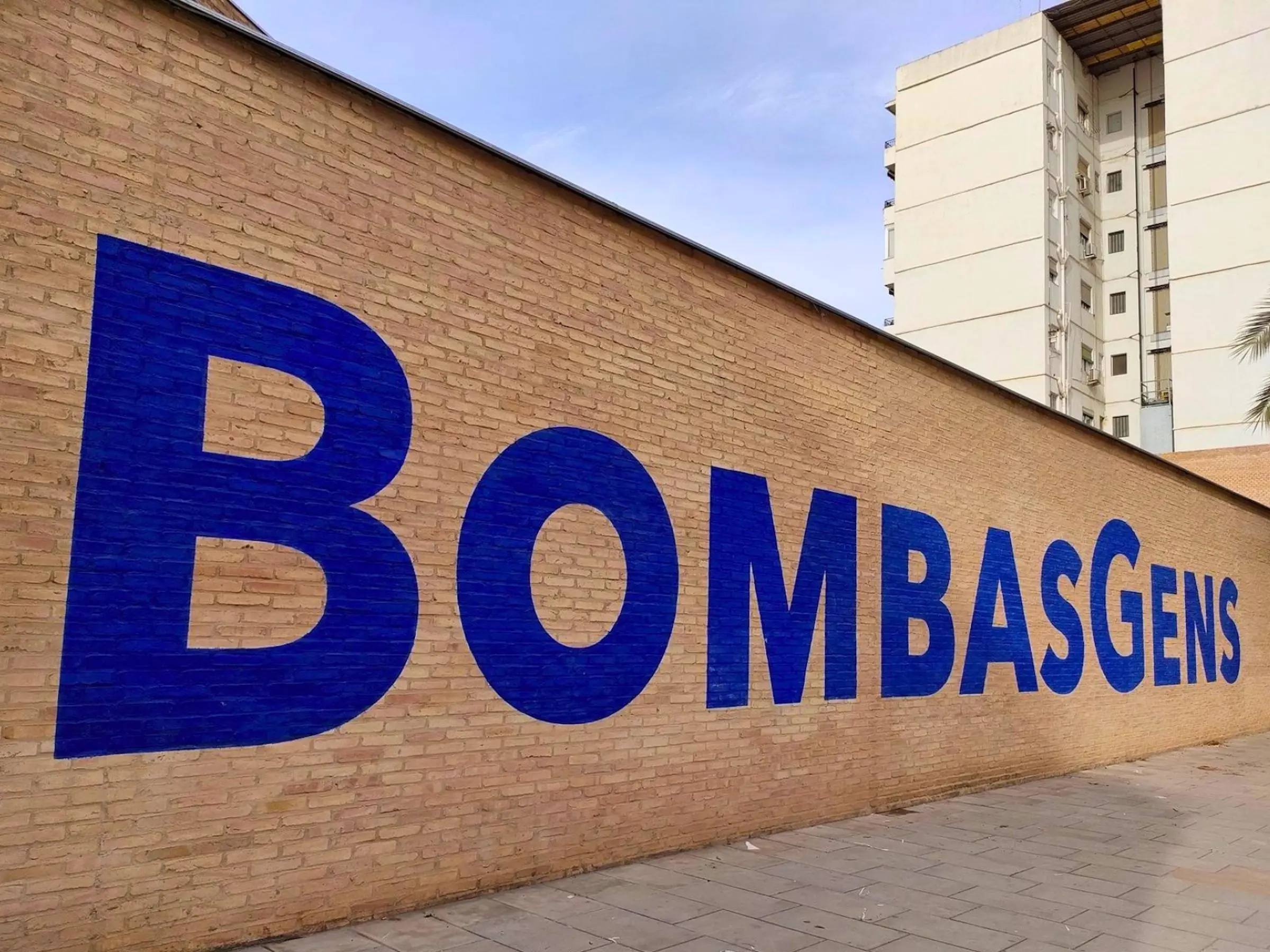
The facade is characterized by its geometric brickwork, stepped parapets, and the beautifully restored ceramic tile signage that spells out “Bombas Gens” (Gens Pumps). During the restoration process, heritage experts went to great lengths to preserve the original patina of the building. You’ll notice that the exterior isn’t scrubbed completely clean; the scars of the building’s history, including damage from its years of neglect, have been intentionally left visible to tell its story.
Photography Tip: The facade faces east. If you want to photograph the intricate brickwork and tile details without harsh shadows, arrive in the mid-to-late morning when the sun hits the front of the building directly.
2. The Digital Arts Hub
In early 2024, Bombas Gens pivoted from a traditional contemporary art gallery into a dedicated digital and immersive arts center. The massive, open-plan naves of the former factory—with their high ceilings and lack of structural columns—make it the ideal canvas for large-scale projection mapping and virtual reality (VR) experiences.
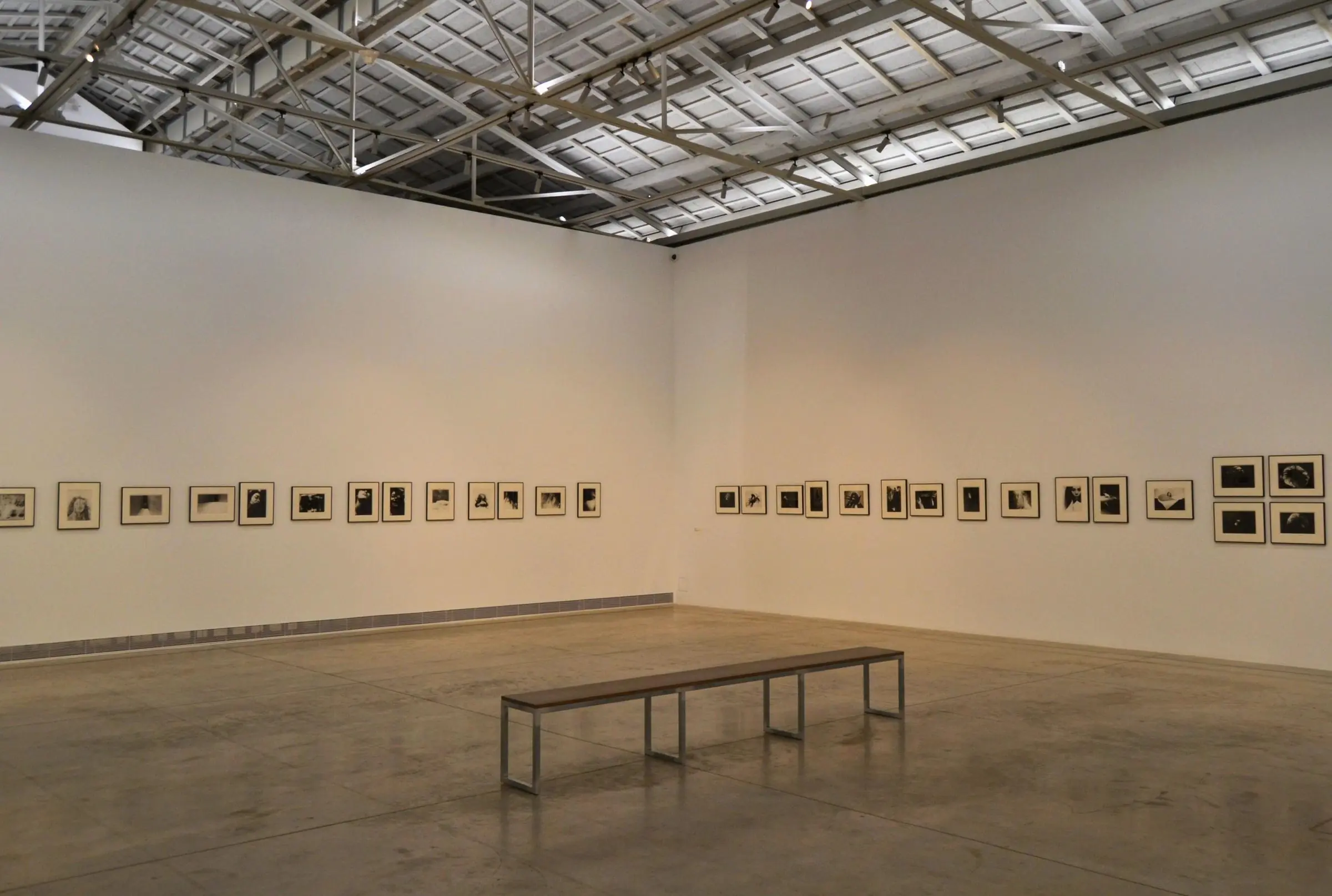
The exhibitions here rotate every few months, typically focusing on immersive deep-dives into historical periods, famous artists, or scientific phenomena. Expect 360-degree projections, spatial audio, and interactive VR rooms where you put on a headset to walk through digital landscapes.
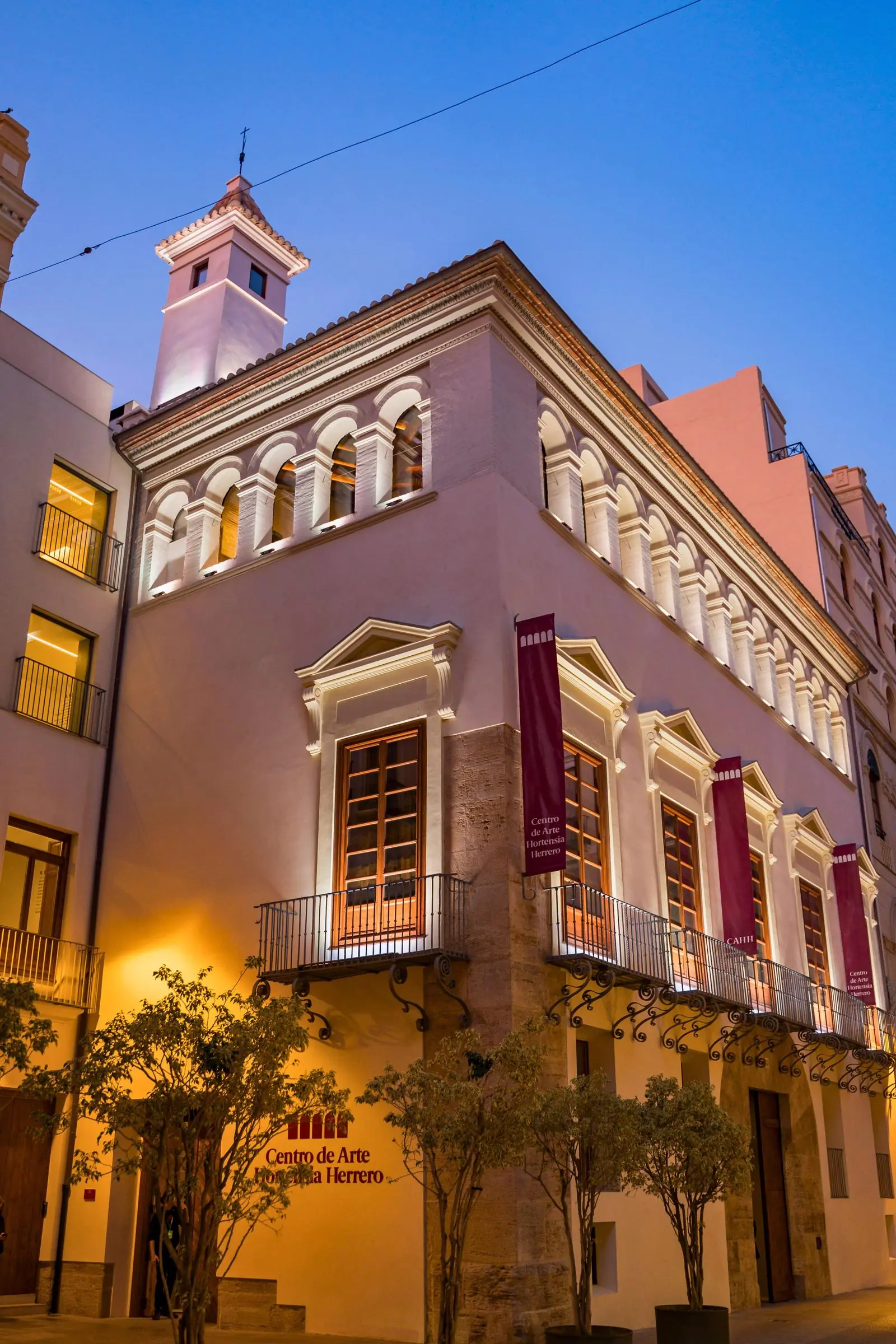
Because the exhibitions are highly visual and sensory, they are incredibly popular. You will need to book a timed entry slot on their official website. If you enjoy this type of modern, tech-forward art experience, you should also consider booking tickets for the Hortensia Herrero Art Center, another beautifully restored historic space in Valencia dedicated to contemporary works.
3. The Spanish Civil War Air-Raid Shelter
This is arguably the most compelling historical feature of the complex. During the Spanish Civil War (1936–1939), the Bombas Gens factory was collectivized and repurposed to manufacture munitions for the Republican army. This made it a prime target for aerial bombings by the Nationalist forces and their Italian allies.
To protect the factory workers, a subterranean air-raid shelter was constructed in 1938. Discovered during the recent renovations, it has been perfectly preserved.
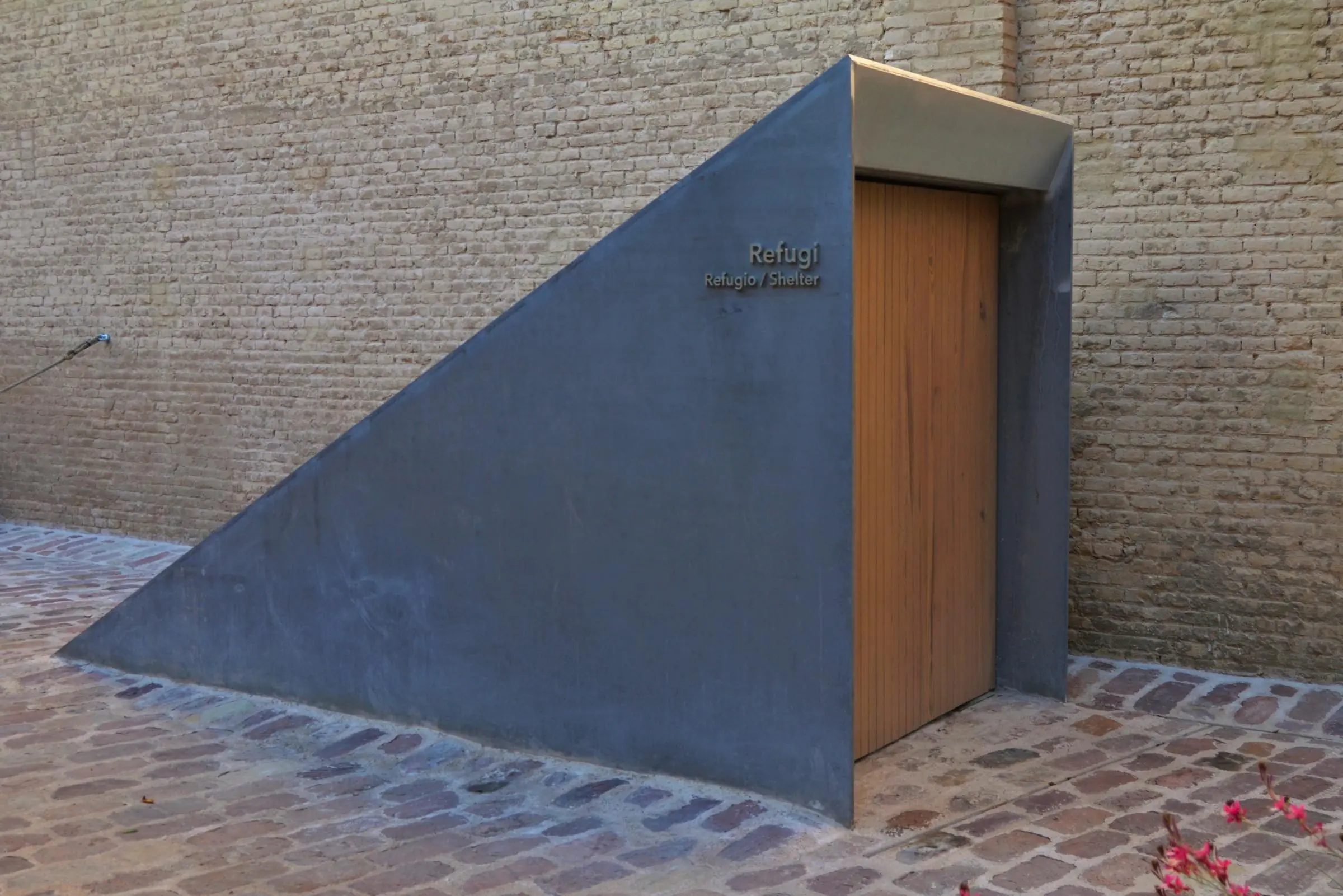
Walking down the heavy concrete stairs, you enter a thick-walled, vaulted bunker. The walls still bear the original painted instructions for the workers: “No fumar” (No smoking) and “No escupir” (No spitting)—rules meant to keep the unventilated air breathable during long bombing raids.
You cannot just wander into the air-raid shelter. Access is strictly limited to guided tours (usually offered on weekends) to preserve the microclimate of the underground space. You must book this specific tour in advance via the Bombas Gens website.
4. The Mediterranean Sculpture Garden
Tucked behind the main exhibition halls is a lush, quiet courtyard that feels miles away from the city streets outside. This garden was designed by landscape architect Gustavo Marina to reflect the biodiversity of the surrounding Valencian landscape. It features over 100 species of plants, including citrus trees, palms, and local flora.
During the excavation of the garden, workers uncovered a section of a medieval acequia (irrigation channel) and the remains of an old farmhouse cellar, both of which have been integrated into the landscape design.
The centerpiece of the garden is a site-specific sculpture by renowned Spanish artist Cristina Iglesias, titled A través (Through). It consists of two large, bronze, root-like structures that channel water in a continuous, mesmerizing flow, paying homage to the Turia River that once flowed nearby.
5. Ricard Camarena Restaurant
Occupying the former administrative offices and workers’ dining hall of the factory is the Ricard Camarena Restaurant. Holding two Michelin stars and a Michelin Green Star for sustainability, this is one of the premier dining destinations in Spain.
Camarena’s cuisine is heavily focused on local, seasonal produce, much of it sourced from his own network of farmers in the Valencian huerta (agricultural belt). The dining room itself is stunning, blending the raw industrial concrete and brick of the 1930s factory with warm wood, soft lighting, and modern design.
If you want to eat here, you need to plan well in advance. Reservations open months ahead of time and fill up quickly. If you can’t secure a table, Camarena also runs several more casual (and accessible) venues in the city, including Central Bar inside the Central Market.
Advice for Different Types of Travelers
For the Time-Poor
If you only have an hour, skip the immersive digital exhibition (which takes time to fully experience) and focus on the architecture. Walk around the exterior to admire the Art Deco facade, step into the main lobby to see the scale of the industrial naves, and head straight out to the Mediterranean garden.
For Families with Kids
The transition to a digital arts center has made Bombas Gens highly appealing to children. The large-scale projections give kids room to move around, and the VR headsets (usually restricted to ages 7 or 8 and up, depending on the exhibit) are a massive hit. The garden also provides a safe, enclosed space for them to stretch their legs.
For Budget Travelers
While the digital exhibitions require a paid ticket, accessing the building’s lobby, the Mediterranean garden, and the exterior architecture is generally free during regular opening hours. It’s worth the short walk from the Turia Gardens just to admire the restoration work.
Logistics: Getting There & Getting Around
Bombas Gens is located at Avinguda de Burjassot, 54, in the Marxalenes neighborhood. It is about a 15-minute walk north of the Serranos Towers (Serranos Towers guide).
By Public Transit:
- Tram: The easiest way to arrive is via Tram Line 4. Get off at the Marxalenes stop, which is a 3-minute walk from the entrance.
- Bus: EMT bus lines C2, 98, and 28 all have stops very close to the building.
- Transit Tip: If you plan on using the buses and trams to get around, pick up a Valencia Tourist Card. It gives you unlimited free public transport across the city network, making the trip up to Marxalenes effortless.
Accessibility: The entire complex, including the exhibition halls, garden, and restaurant, is fully wheelchair accessible. The only exception is the subterranean air-raid shelter, which requires descending a steep, narrow flight of original concrete stairs.
Where to Stay Nearby
Marxalenes is a quiet, working-class residential neighborhood. While it lacks the boutique hotels of the historic center, staying near the border of Marxalenes and El Carmen puts you within walking distance of Bombas Gens while keeping you close to the main sights.
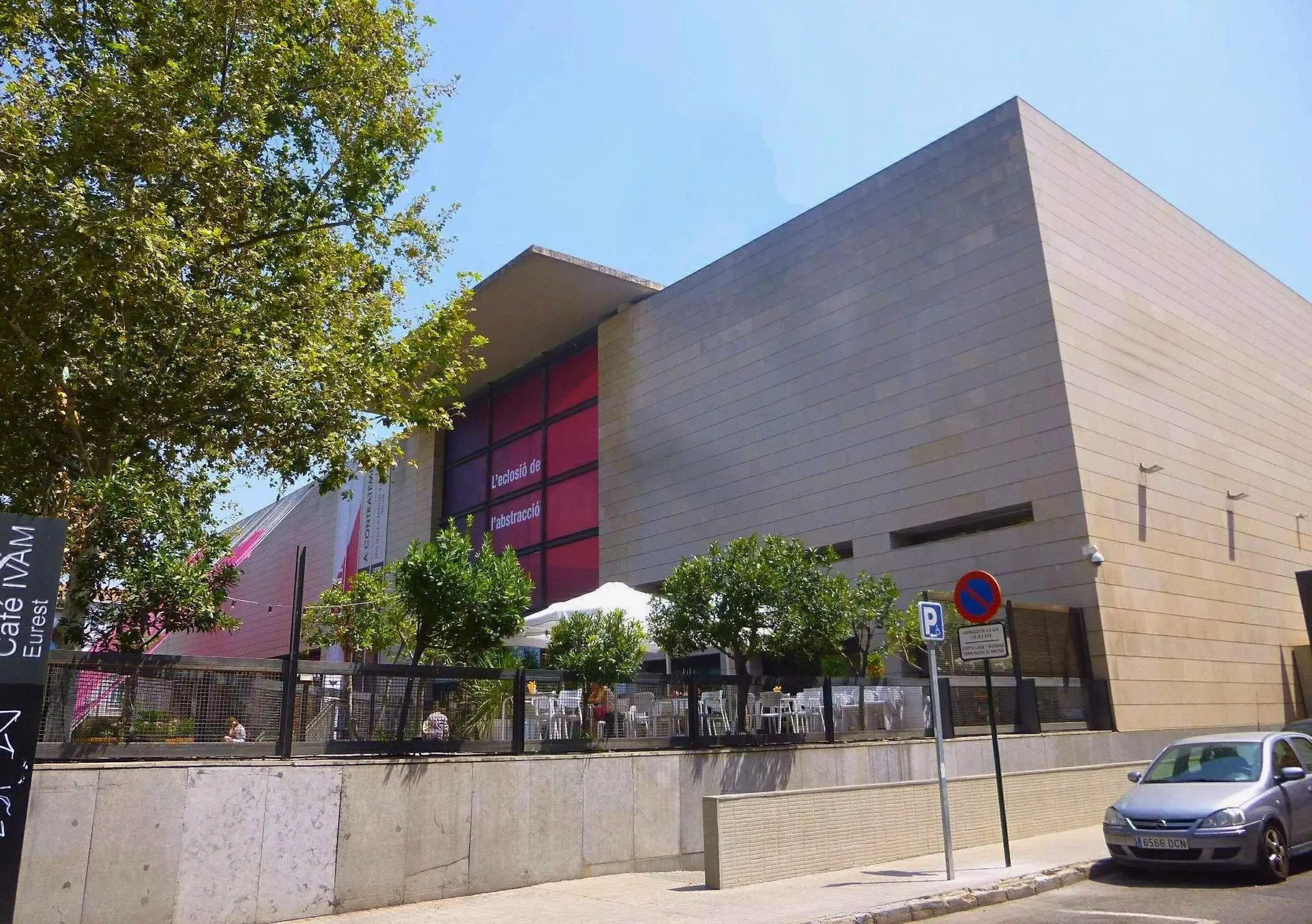
Keep Planning: If you are interested in Valencia’s modern art scene, pair your visit to Bombas Gens with a trip to the nearby IVAM (Valencian Institute of Modern Art), located just a 15-minute walk south.
Frequently Asked Questions
How much time do I need to visit Bombas Gens?
If you are attending a digital exhibition, plan for about 60 to 90 minutes. If you are also taking the guided tour of the air-raid shelter and spending time in the garden, allocate a full two hours.
Do I need to book tickets in advance?
Yes. The digital art exhibitions operate on timed entry slots and frequently sell out on weekends. The air-raid shelter tours have very limited capacity and must be booked days or weeks in advance via their official website.
Is the air-raid shelter claustrophobic?
The shelter is underground, windowless, and features thick concrete walls with a low, vaulted ceiling. While it is well-lit for tours, if you suffer from severe claustrophobia, you may want to skip this specific part of the complex.
Can I visit the garden without an exhibition ticket?
Generally, yes. The Mediterranean garden and the main lobby areas are usually open to the public for free during the center’s operating hours, though this can occasionally change during private events or installation periods.
Is there a dress code for Ricard Camarena Restaurant?
While there is no strict formal dress code (like a required jacket and tie), the atmosphere is elegant and upscale. Smart casual attire is highly recommended.
Are there lockers available on site?
Yes, there are free lockers available in the reception area where you can store backpacks, large bags, and umbrellas before entering the digital exhibition halls.